What the human research shows
An honest C: the physiology is real and reproducible, but the clinical studies are single-centre, small, mostly single-dose, and mostly measure hormones or brain scans rather than outcomes people care about. The 'research' vials sold online have nothing to do with these trials.
| Outcome | Grade | Effect size | Human studies | Where the evidence comes from |
|---|---|---|---|---|
| LH and testosterone release | BProbable | Large | Many small studies | Single doses of kisspeptin-10 or -54 raise LH within 30 minutes in healthy men and women — one of the most reproducible findings in human neuroendocrinology. Continuous exposure desensitises the response.1 |
| IVF egg maturation trigger | CWeak | Moderate | 2 phase 2 trials | Kisspeptin-54 as the final maturation trigger in 53 and then 60 women at high risk of ovarian hyperstimulation: live births achieved with no cases of severe OHSS. Not compared head-to-head with standard triggers at scale.2 |
| Sexual desire (women with HSDD) | CWeak | Small | 1 crossover RCT (n=32) | Two-visit double-blind crossover in 32 premenopausal women: kisspeptin infusion increased activation in sexual-processing brain regions on fMRI and reduced sexual aversion scores. A mechanism study, not a treatment trial.3 |
| Sexual desire and arousal (men with HSDD) | CWeak | Small | 1 crossover RCT (n=32) | Same design in 32 men: increased sexual-brain activation and a modest increase in penile tumescence to erotic stimuli. Single infusion; no data on repeated use.4 |
| Safetyadverse | CWeak | Not measurable | Small studies | No side effects reported in the HSDD trials; the fertility studies reported no severe OHSS. Nothing is known about repeated self-administration.34 |
Literature searched to 3 September 2026. Human studies only; animal and cell work informs the mechanism section and nothing else.
What it is
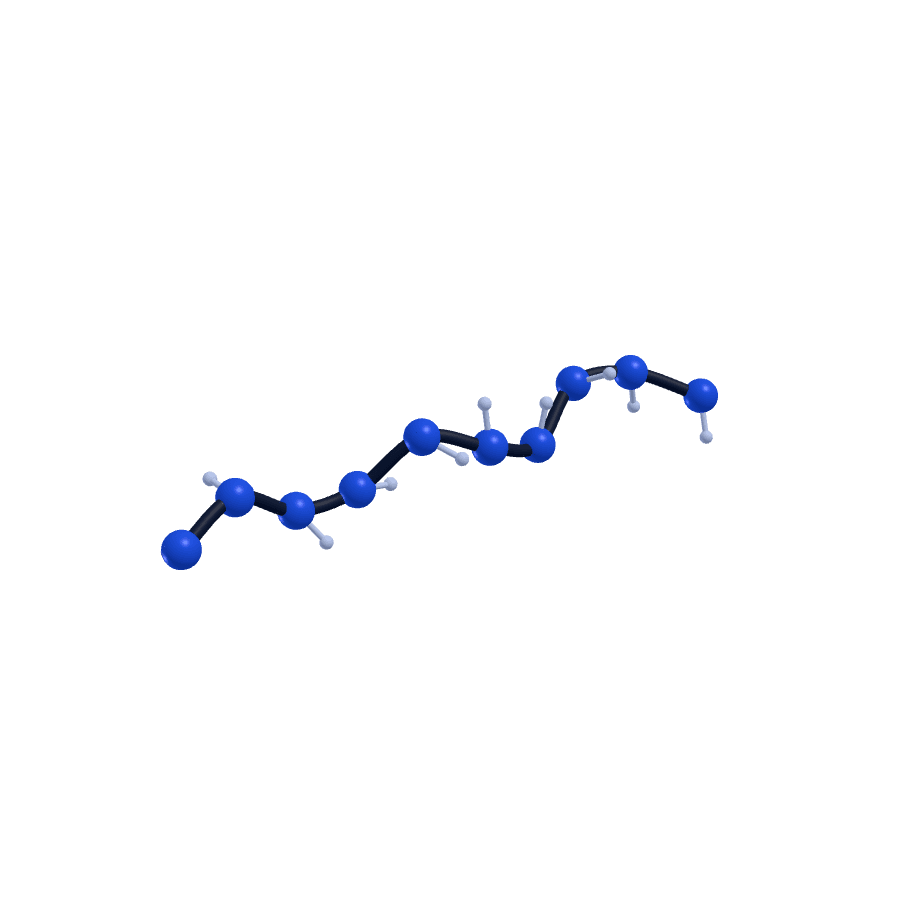
A family of peptides encoded by the KISS1 gene — the full 54-amino-acid form and shorter fragments such as kisspeptin-10 — acting on the KISS1R receptor on GnRH neurons. Loss-of-function mutations cause absent puberty, which is how its role was discovered in 2003.
Almost all the human work comes from one group, at Imperial College London, using intravenous or subcutaneous infusions in a research setting. No company has taken a kisspeptin product through phase 3.
How it is thought to work
Kisspeptin neurons in the hypothalamus are the master switch for GnRH pulses. A dose produces a pulse of LH (and, in men, testosterone) about half an hour later; because the system desensitises, continuous dosing switches the axis off — the same paradox exploited by GnRH agonists.
Its receptors are also found in limbic brain regions involved in sexual and emotional processing, which is the rationale for the HSDD studies.
What is still unknown
- Whether any of the mechanistic findings translate into a treatment that works over weeks.
- Effects of repeated dosing on the reproductive axis outside a trial.
- The purity and identity of anything sold as kisspeptin online.
Regulatory status
No marketing authorisation. Supplying it for human use is an offence under national medicines law.
Kisspeptin-10 remains in Category 2 of the FDA's 503A list (significant safety risks) as of April 2026 — it may not be compounded.
Used only in academic trials; supply for human use is an offence.
Prescription-only substance not on the ARTG.
No DIN; selling it is illegal.
S2.2.1: 'kisspeptin and its agonist analogues', prohibited in males as an LH/testosterone releaser.
Questions people actually ask
Does kisspeptin increase testosterone?
Is kisspeptin a treatment for low libido?
Is kisspeptin used in IVF?
One page per claimed effect
- BDoes Kisspeptin help with LH and testosterone release?Many small studies
- CDoes Kisspeptin help with IVF egg maturation trigger?2 phase 2 trials
- CDoes Kisspeptin help with sexual desire?1 crossover RCT (n=32)
- CDoes Kisspeptin help with sexual desire and arousal?1 crossover RCT (n=32)
- CHow common is safety with Kisspeptin?Small studies
References
- 1Dhillo WS, et al. Kisspeptin-54 stimulates the hypothalamic-pituitary gonadal axis in human males; and subsequent physiology studies from the same group.J Clin Endocrinol Metab, 2005 onwardThe foundational human dosing studies.
- 2Abbara A, et al. Efficacy of kisspeptin-54 to trigger oocyte maturation in women at high risk of OHSS during IVF therapy.J Clin Endocrinol Metab, 2015Phase 2; follows Jayasena 2014 (n=53).
- 3Thurston L, et al. Effects of kisspeptin administration in women with hypoactive sexual desire disorder: a randomized clinical trial.JAMA Netw Open, 2022; DOI 10.1001/jamanetworkopen.2022.3613132 premenopausal women, double-blind crossover.
- 4Mills EG, et al. Effects of kisspeptin on sexual brain processing and penile tumescence in men with hypoactive sexual desire disorder: a randomized clinical trial.JAMA Netw Open, 2023; DOI 10.1001/jamanetworkopen.2022.5431332 men, double-blind crossover.
Change log
- 2026-09-03Initial publication from the Imperial College physiology, IVF and HSDD trials.