Independent peptide research

Peptides, explained by the evidence.

What each compound is, what human research actually shows, and what is still only a claim — written plainly, graded honestly, updated as the studies land — with every grade traced to the trials behind it.

86 compounds graded349 outcomes on the matrix271 studies citedLast review 2 Nov 2026
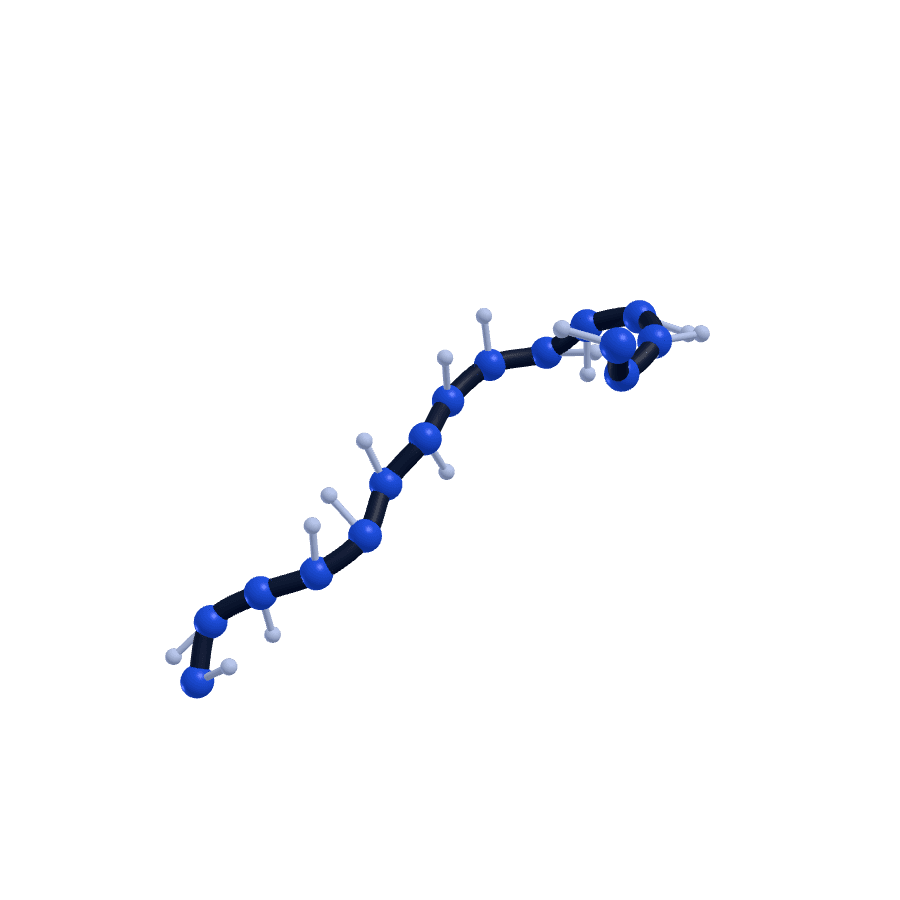
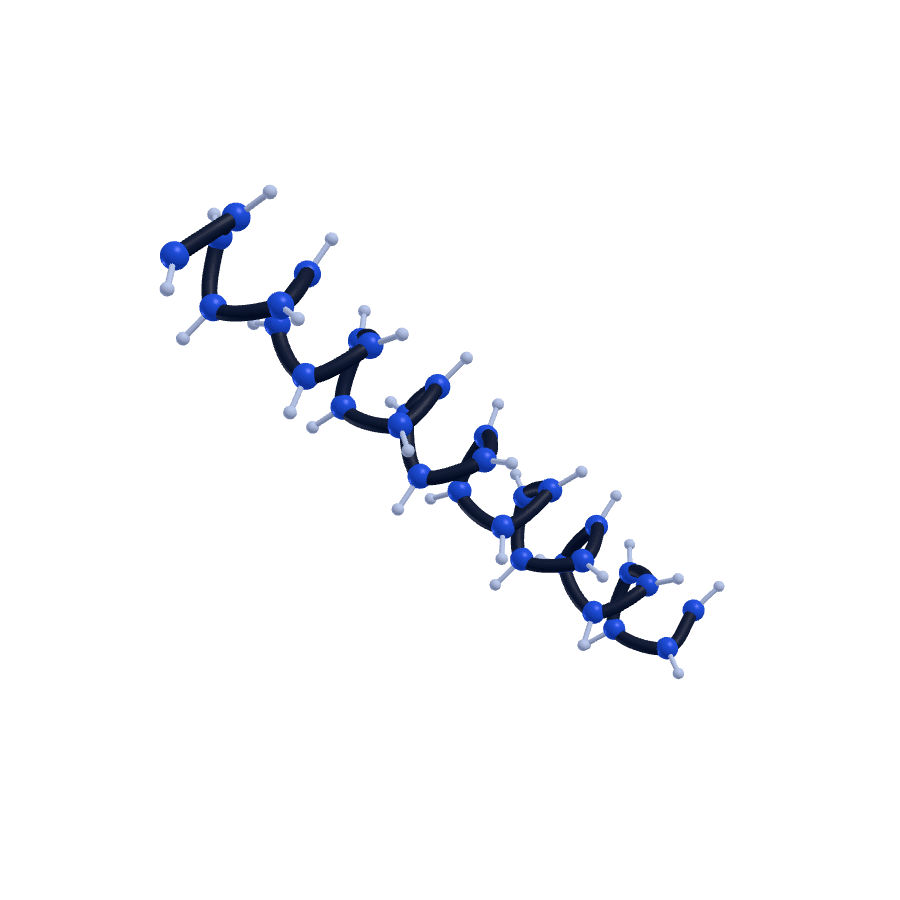
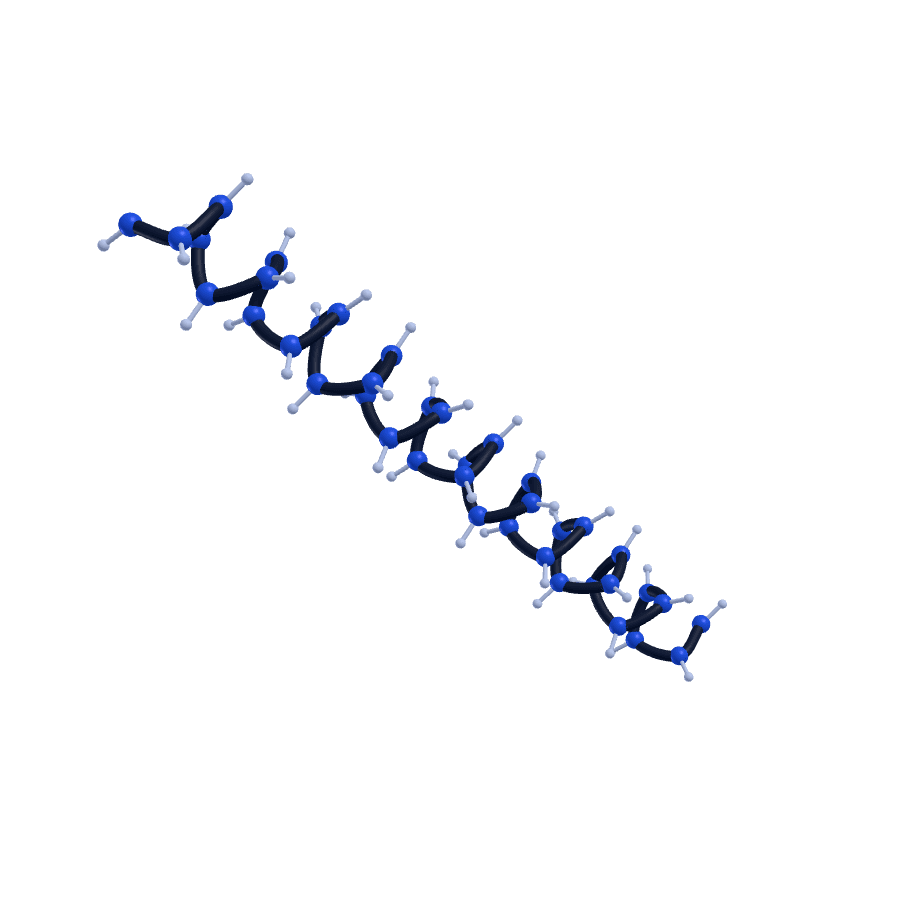
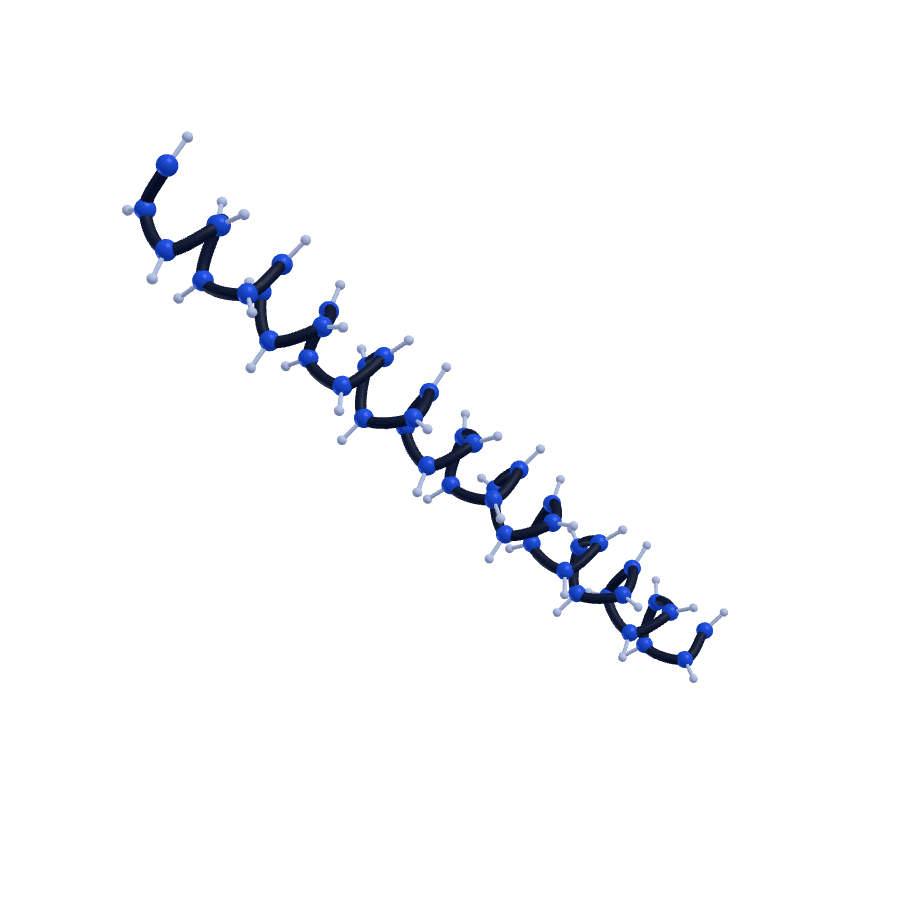
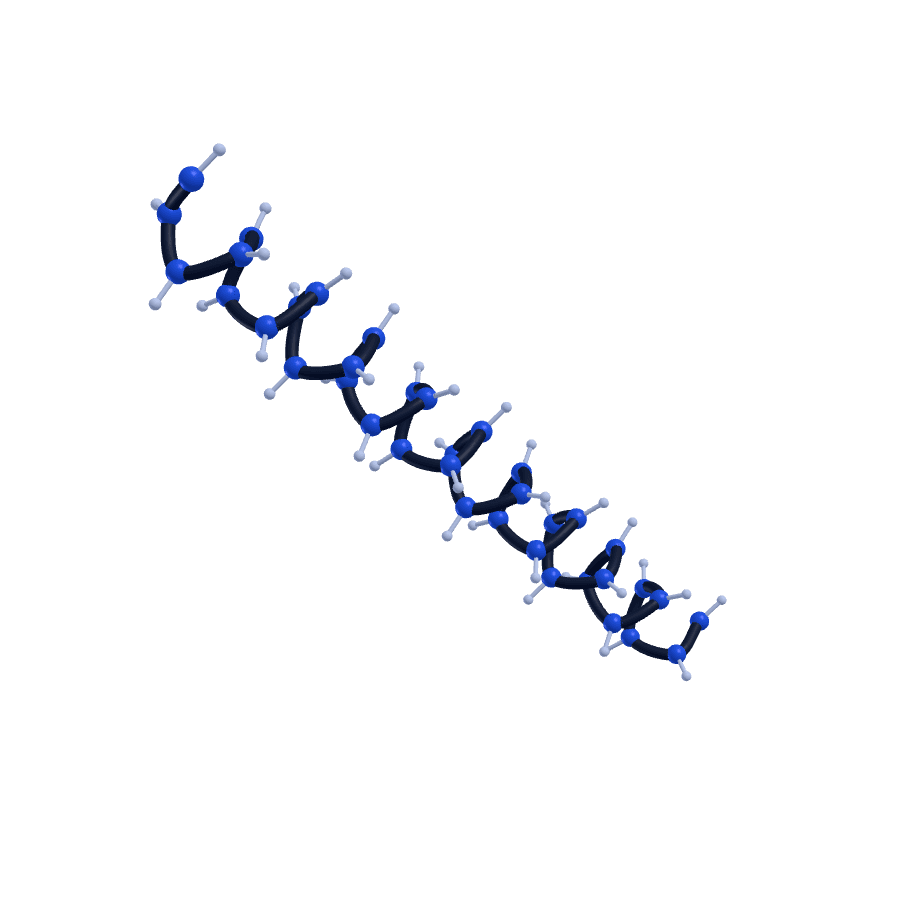
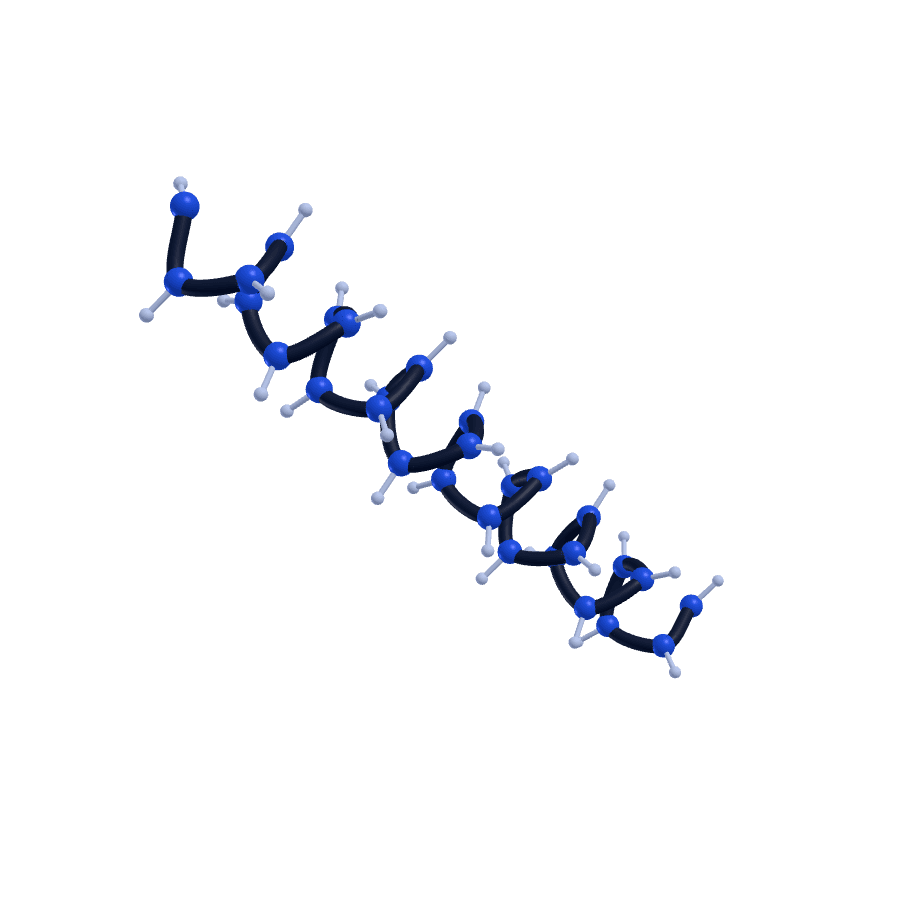
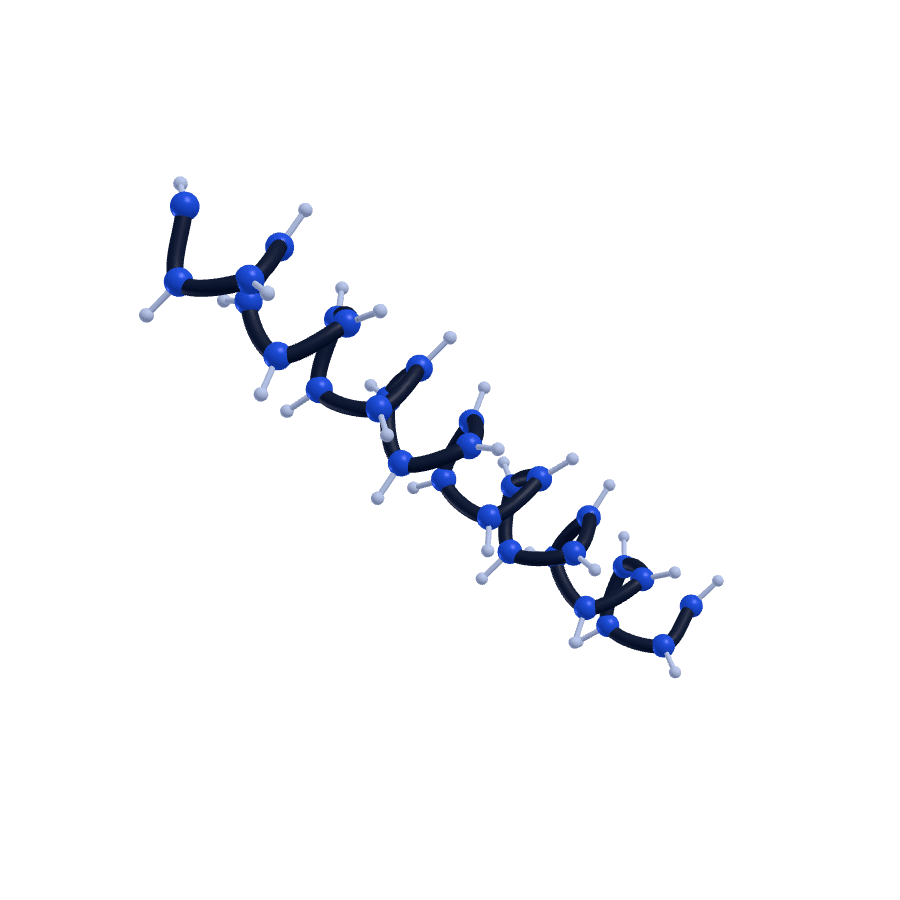
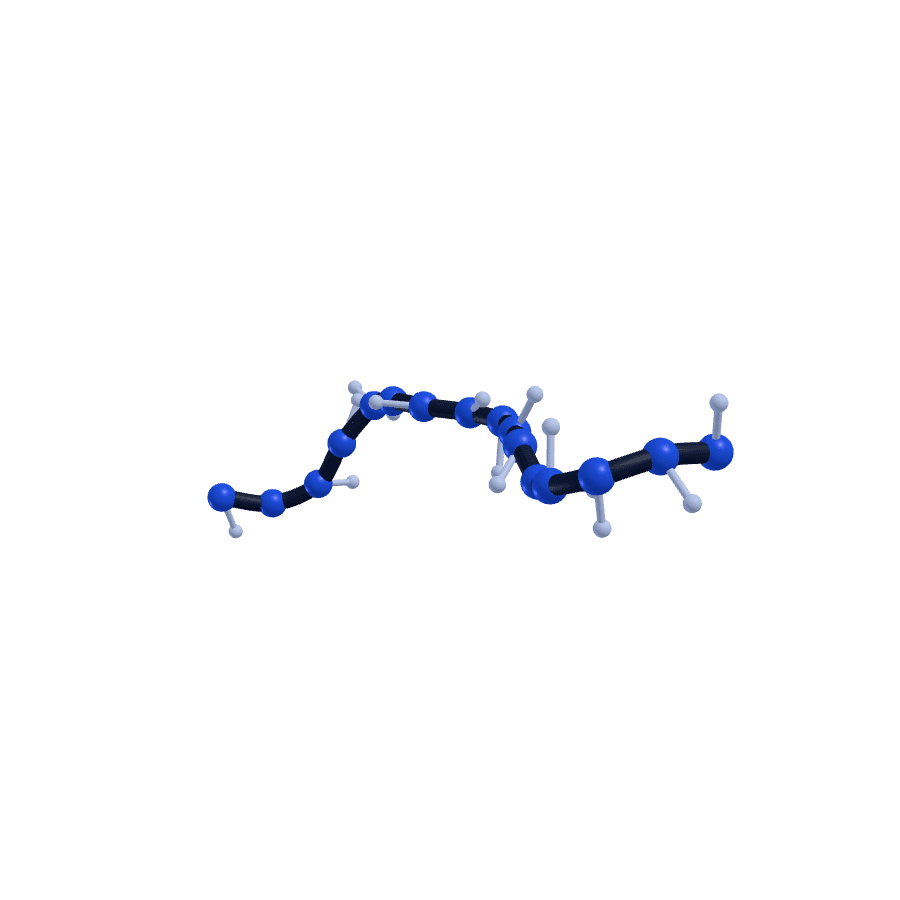
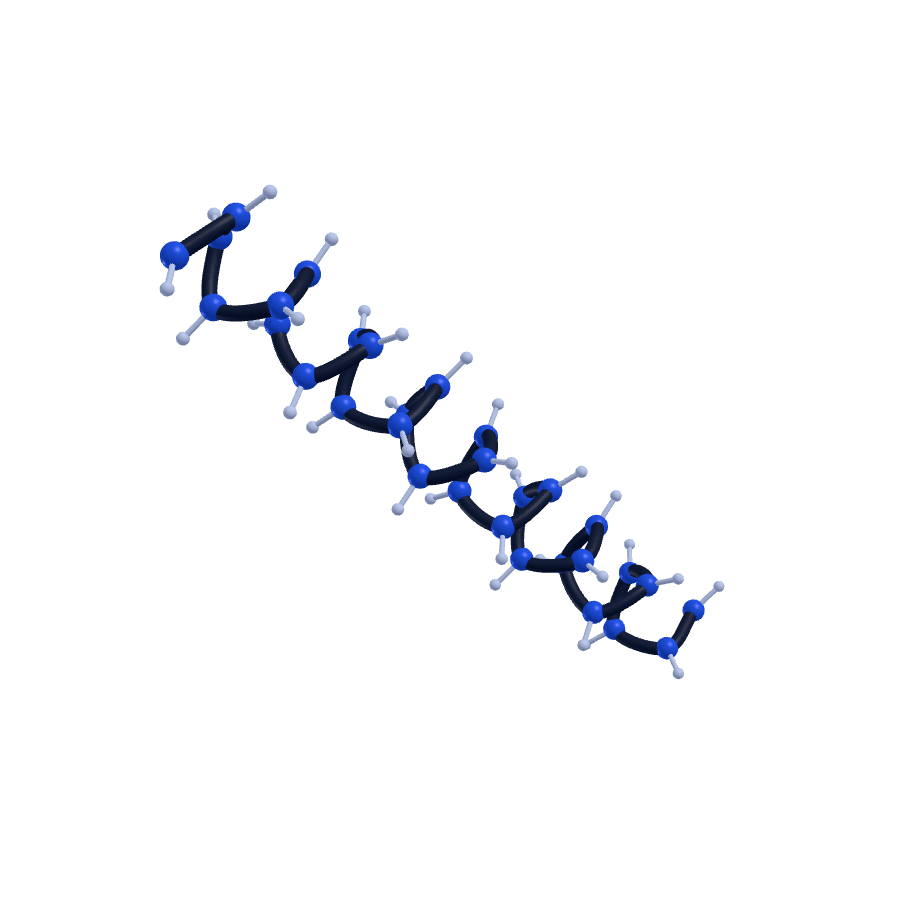
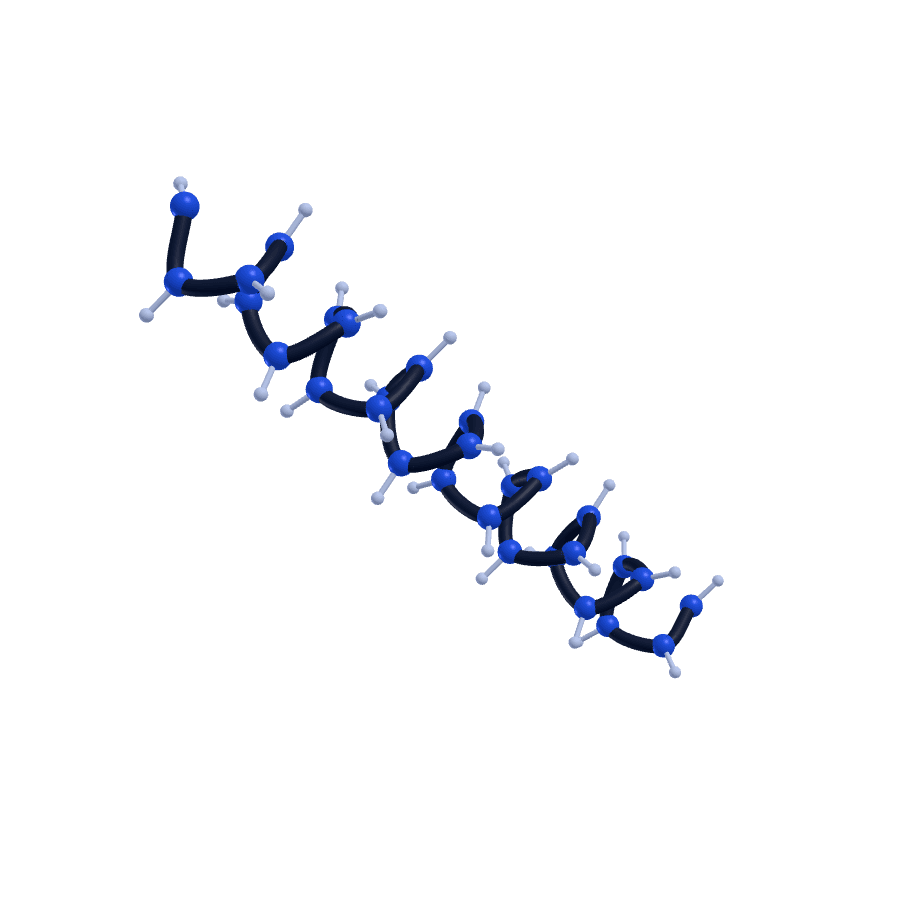
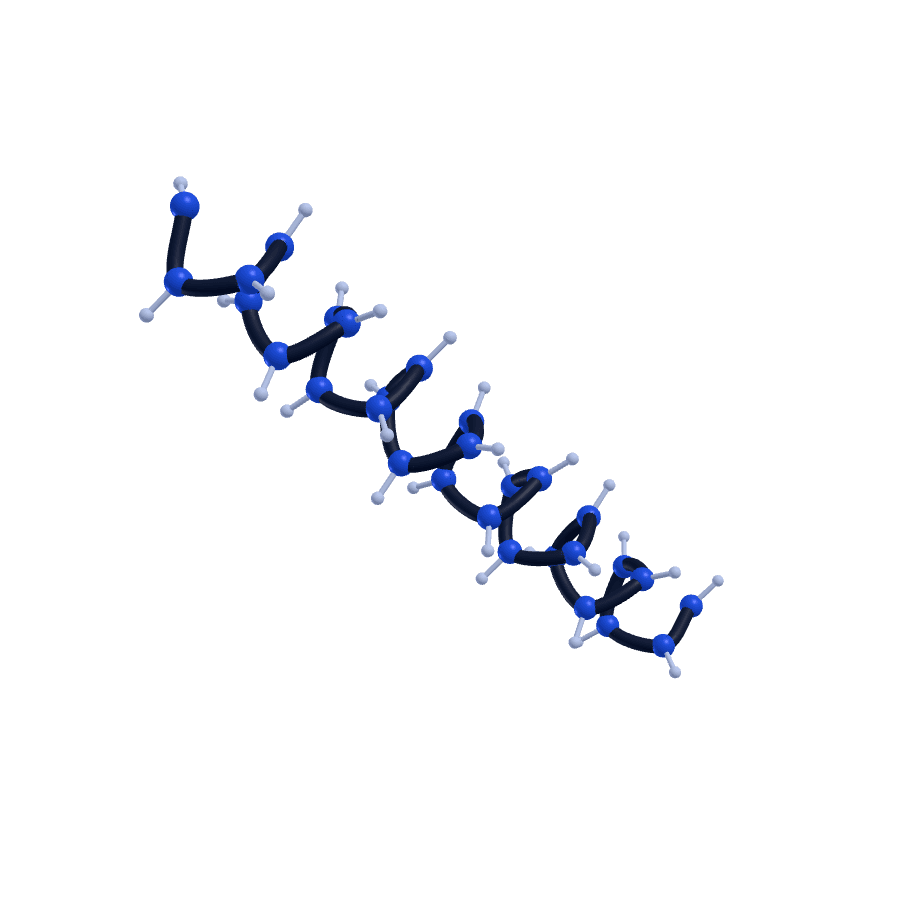
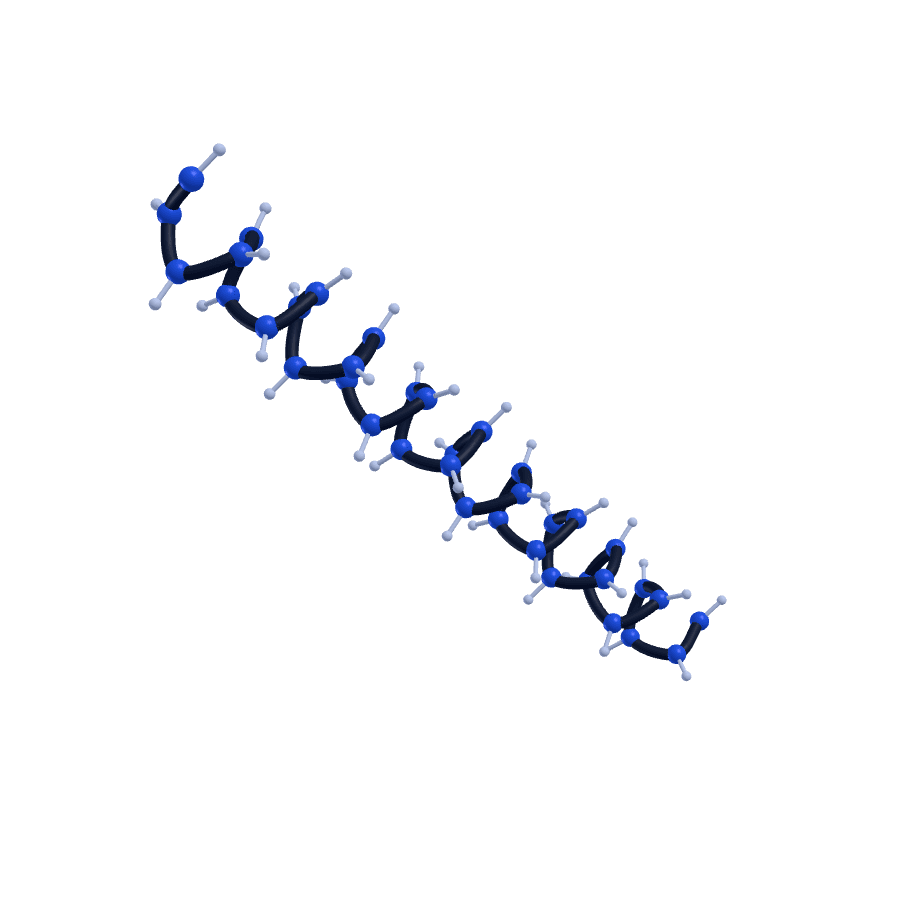
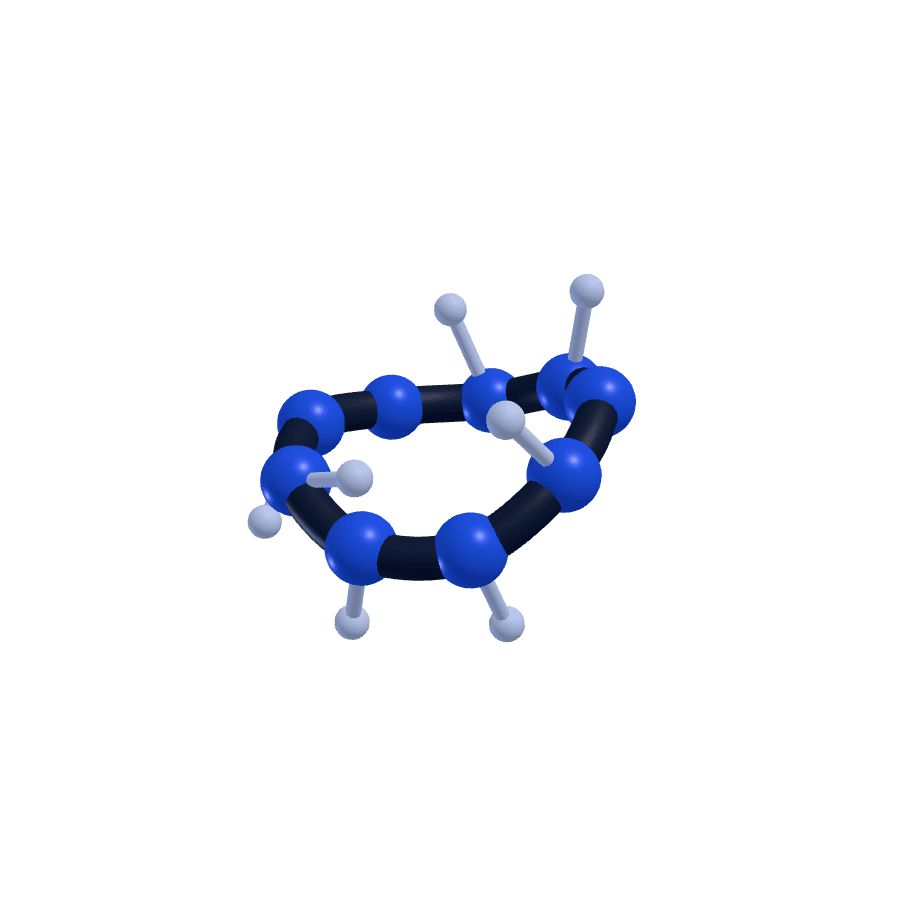
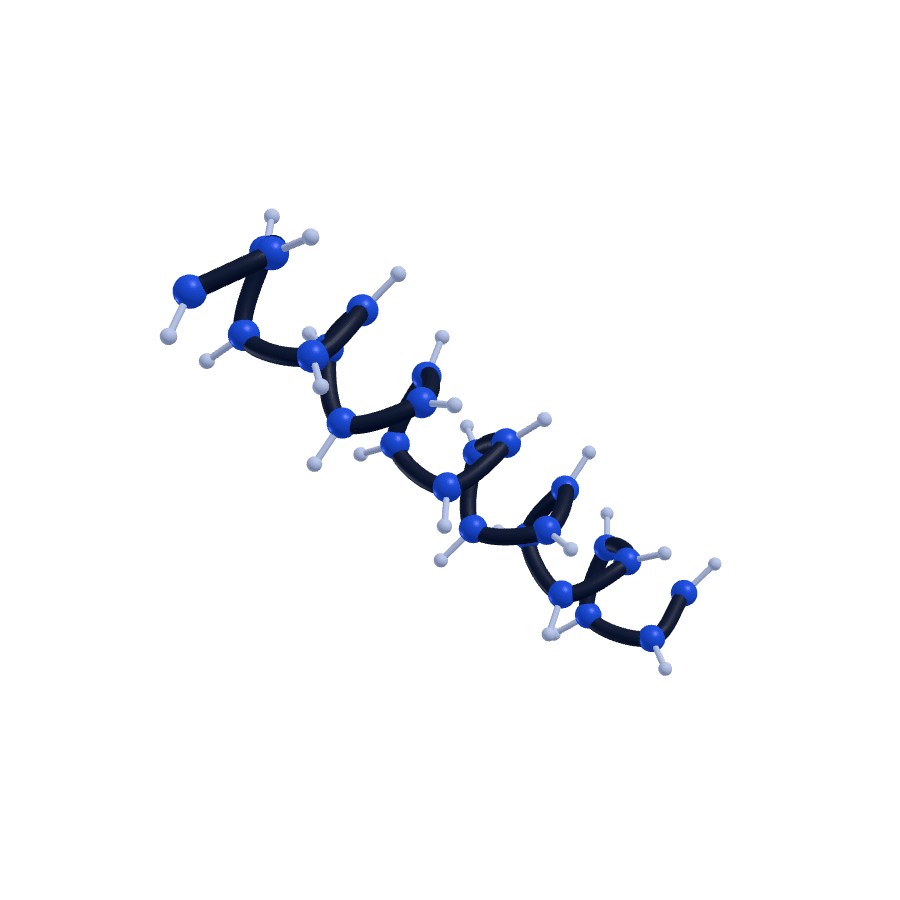
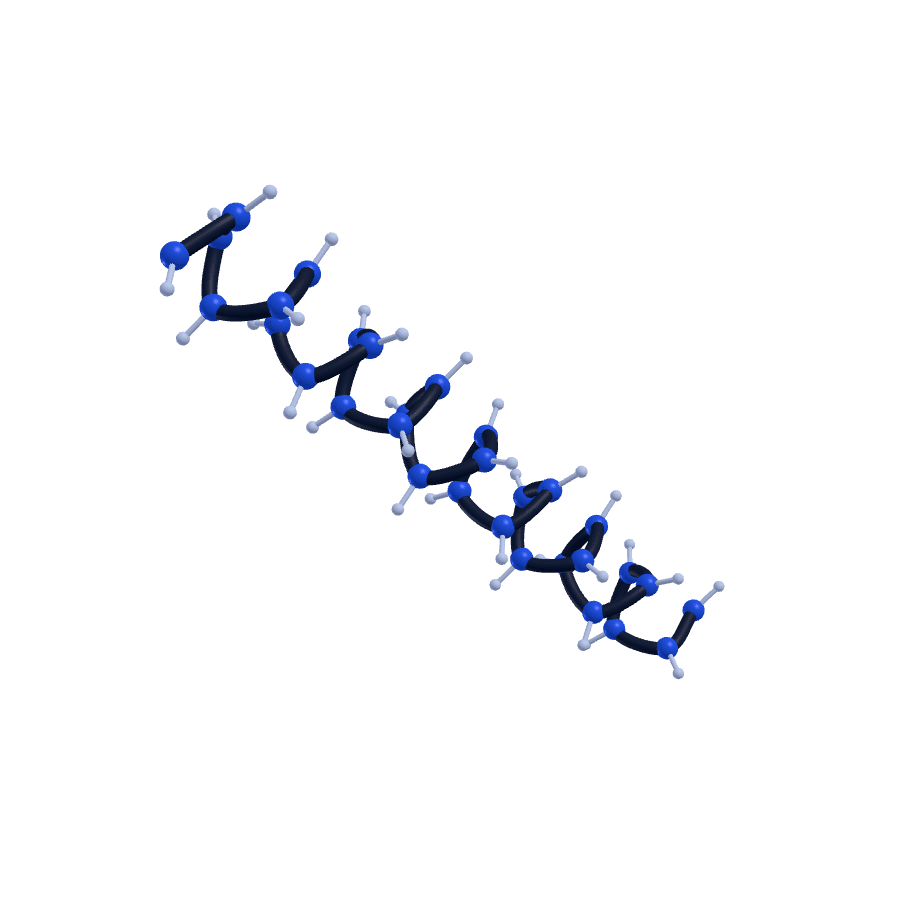
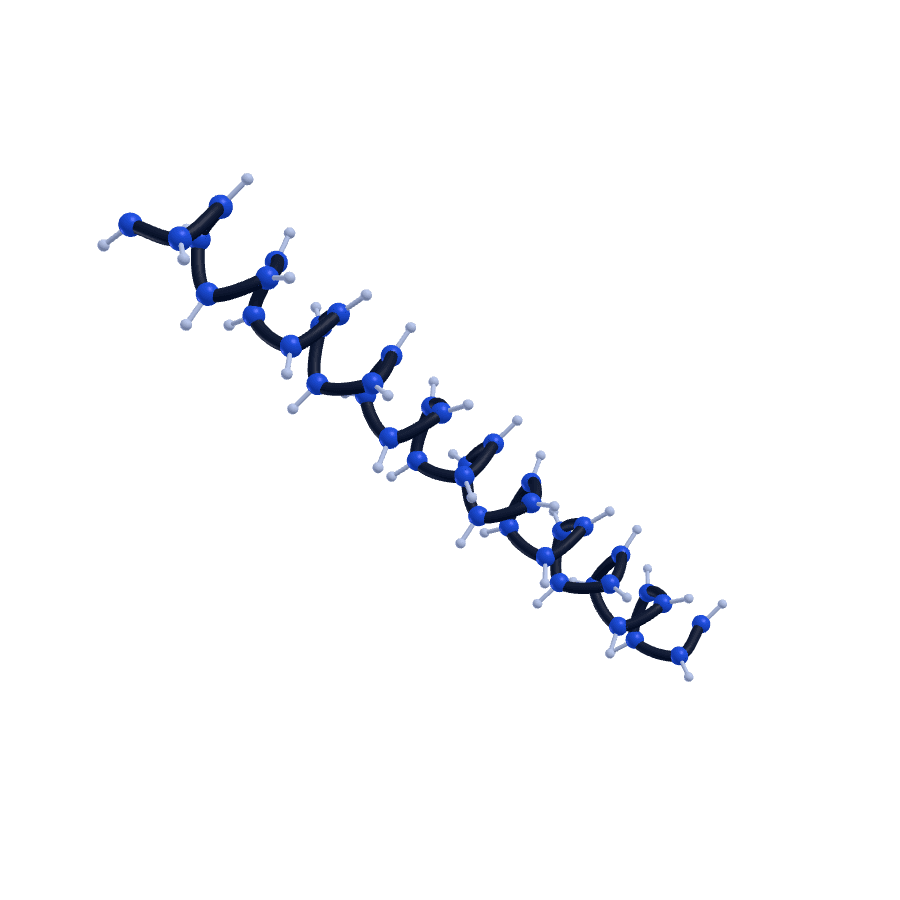
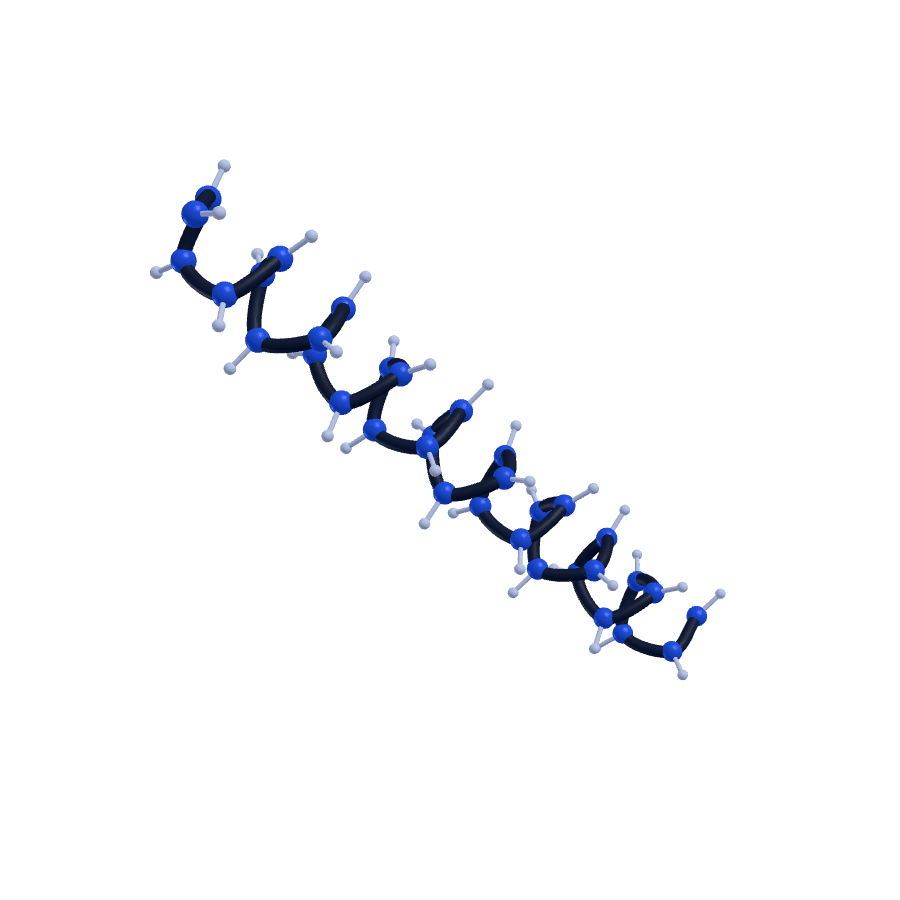
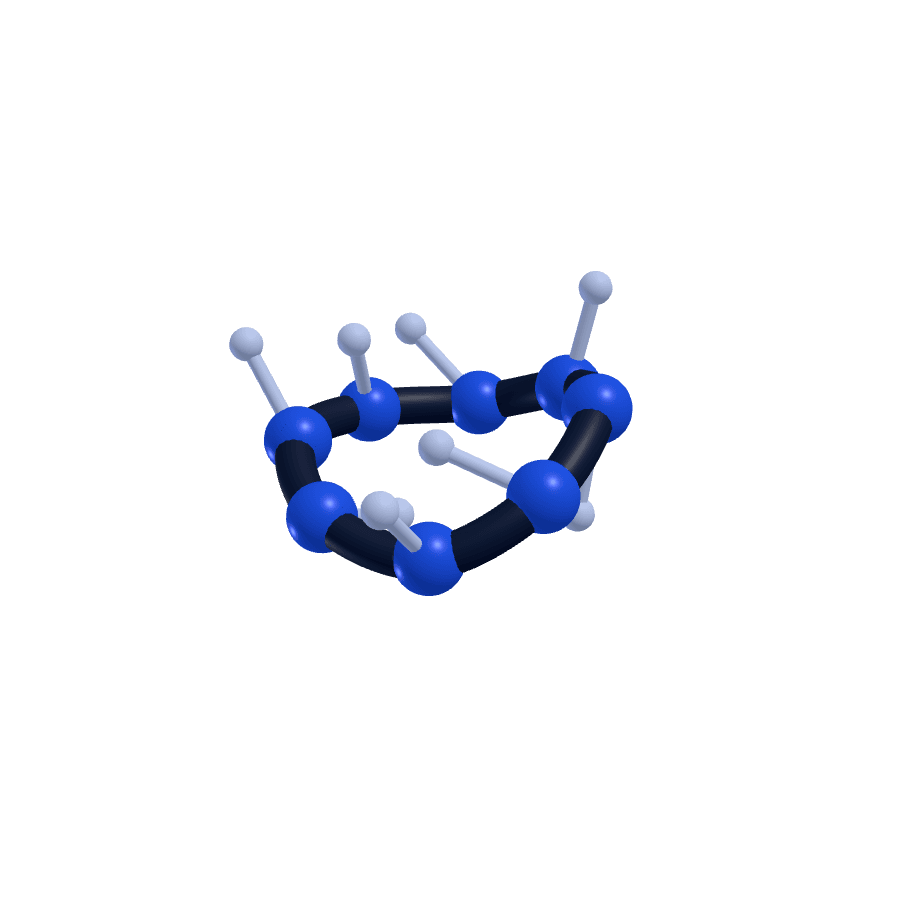
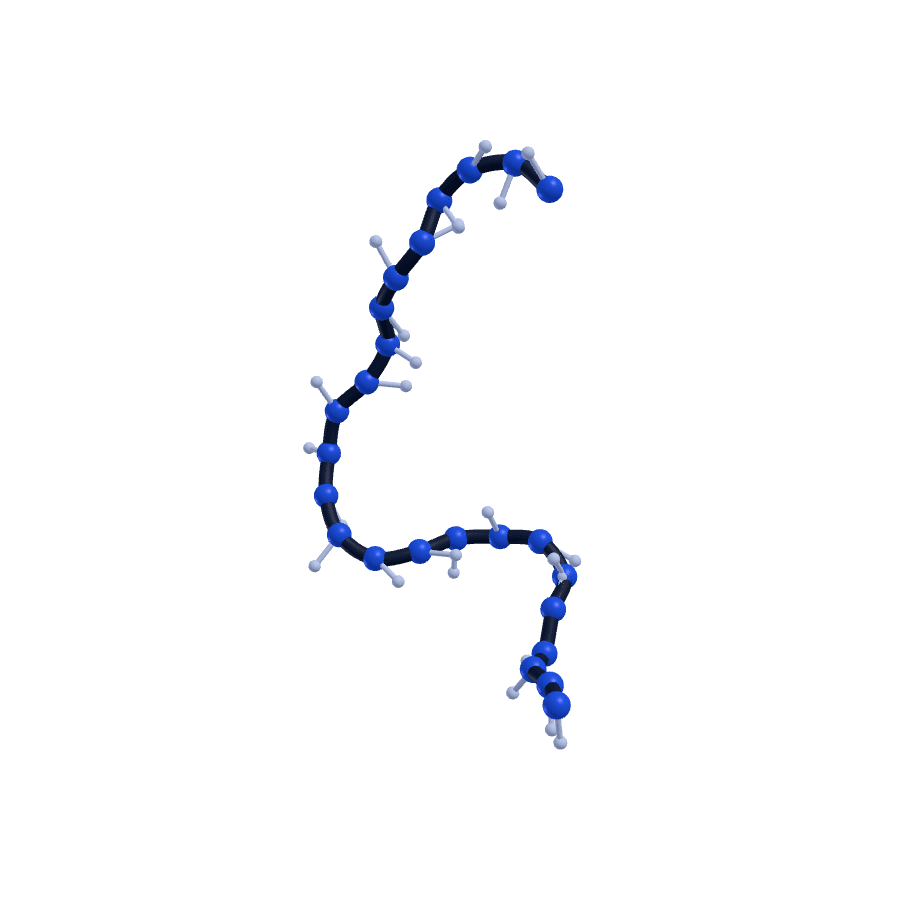
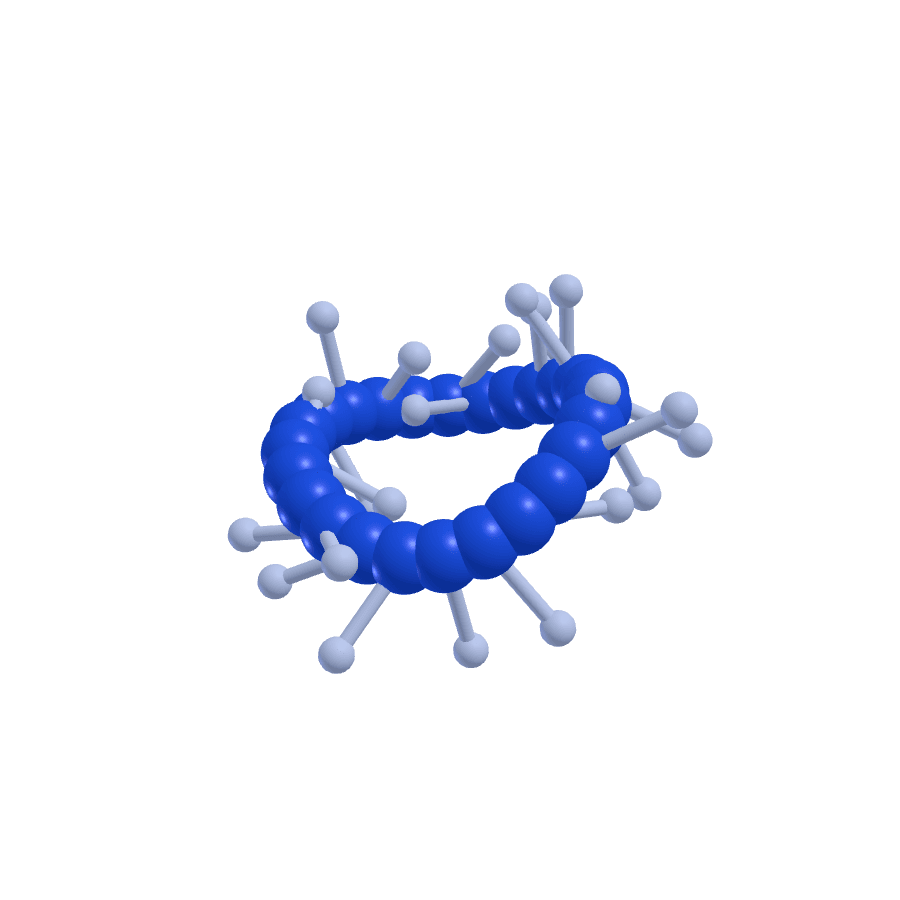
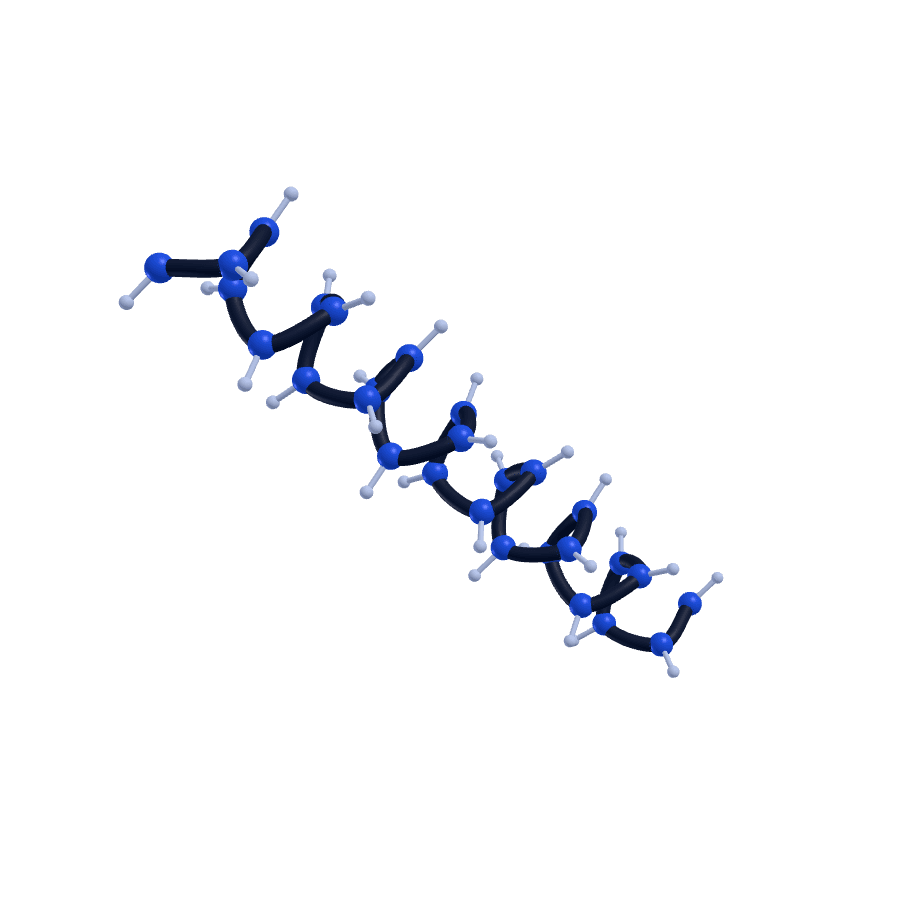
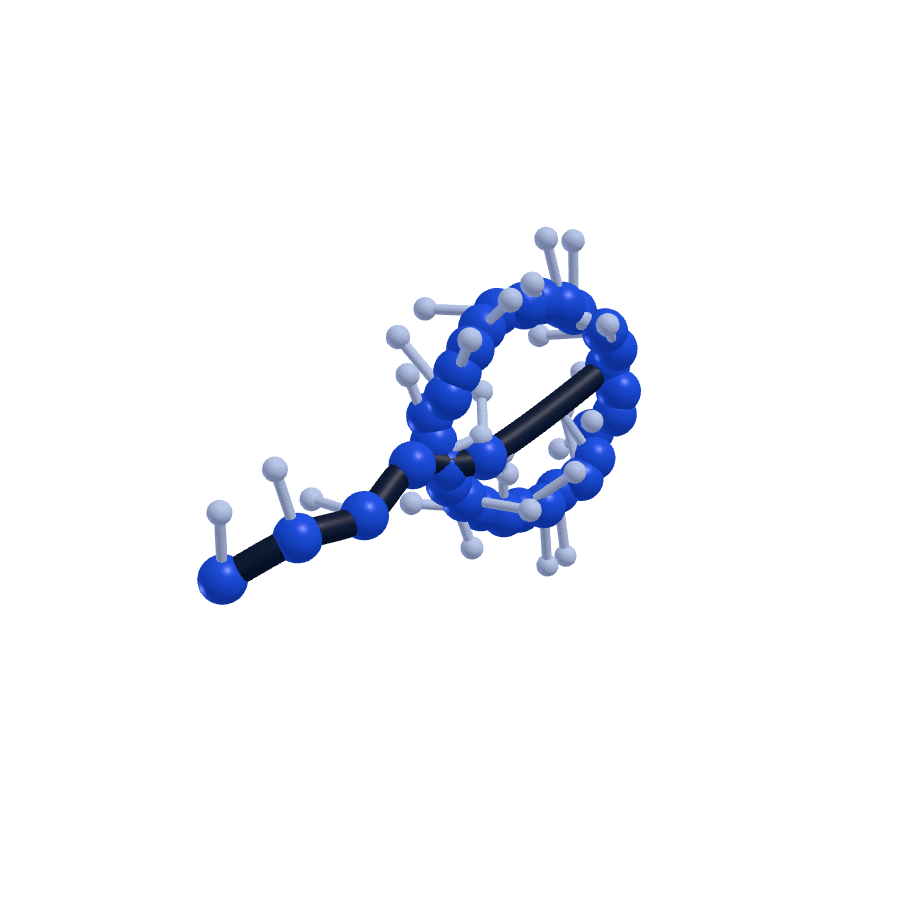
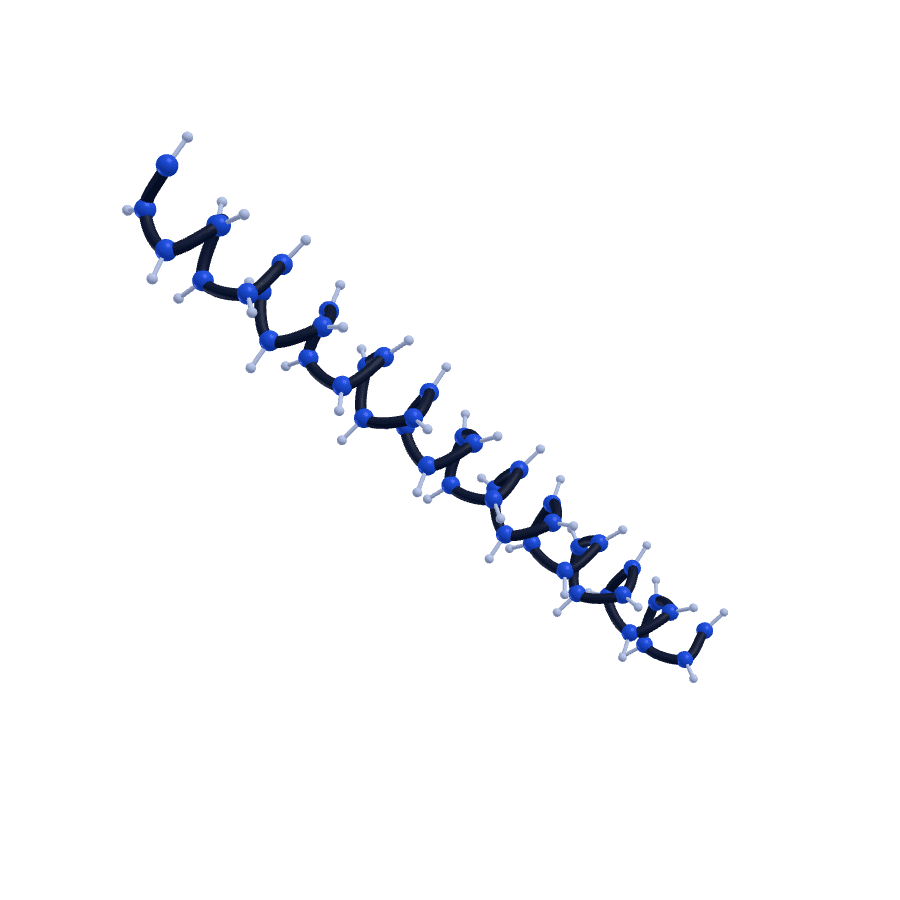
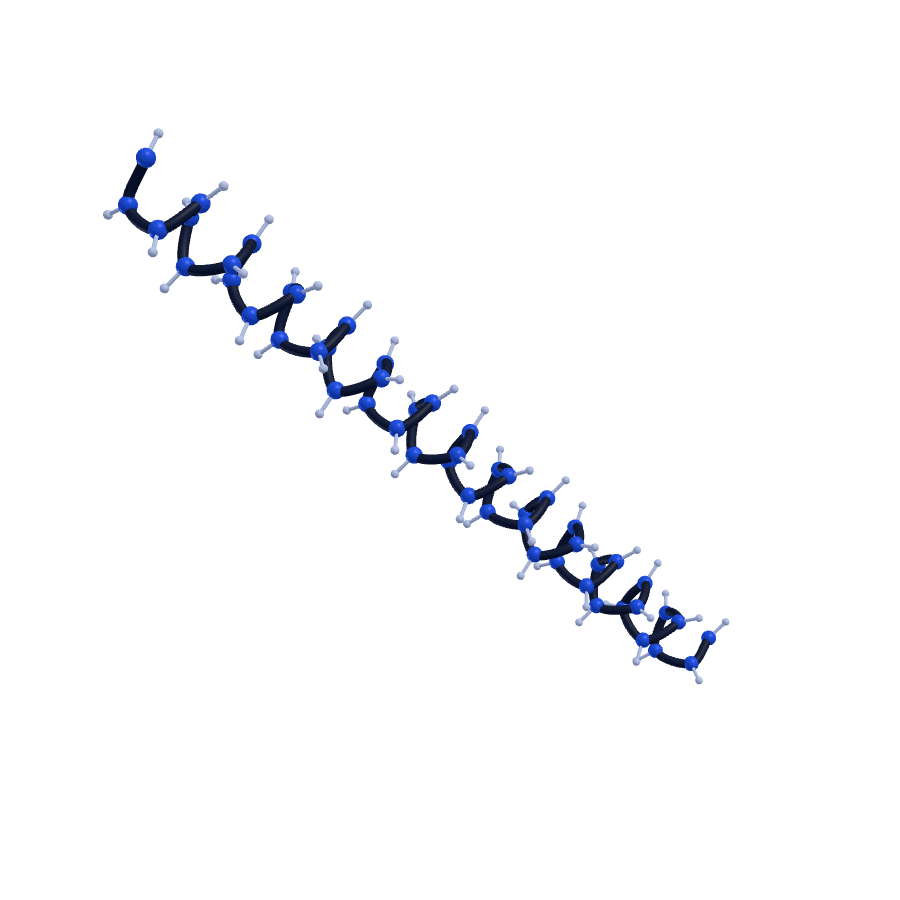
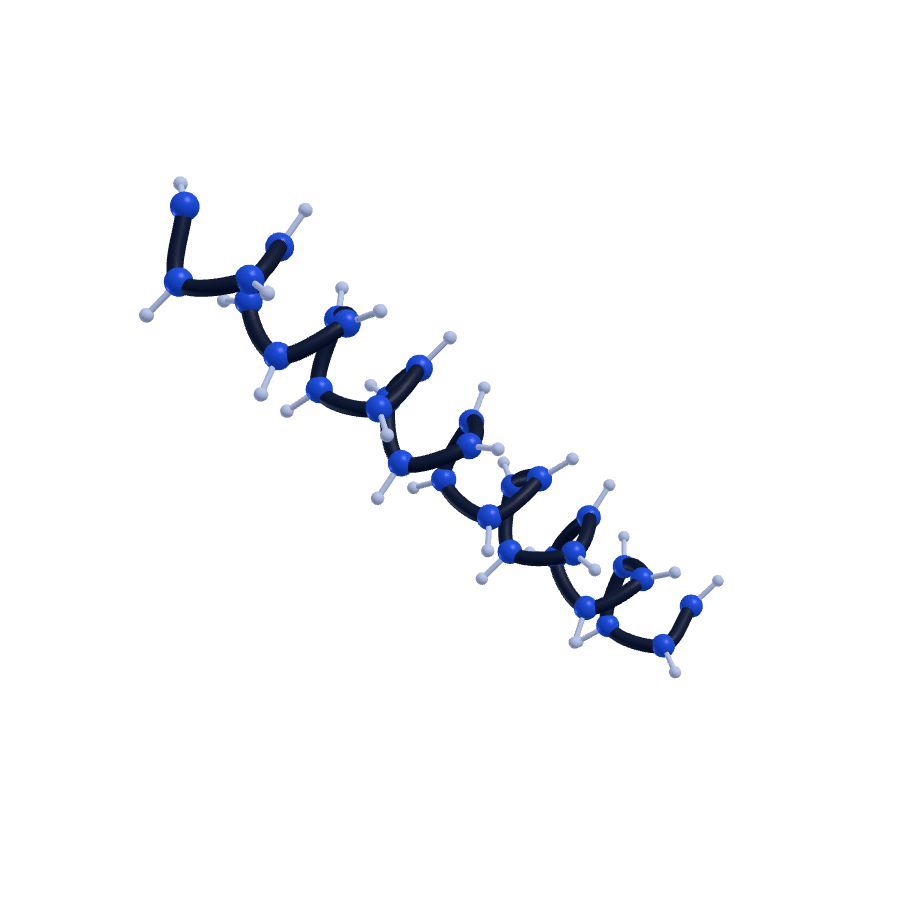
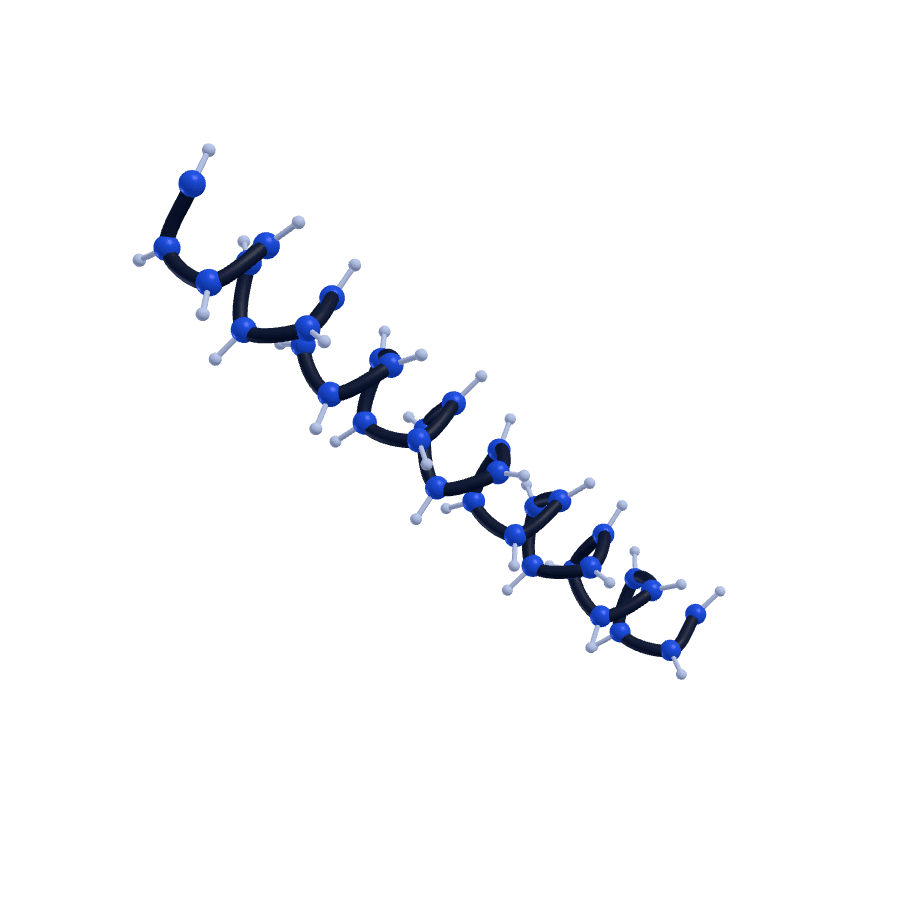
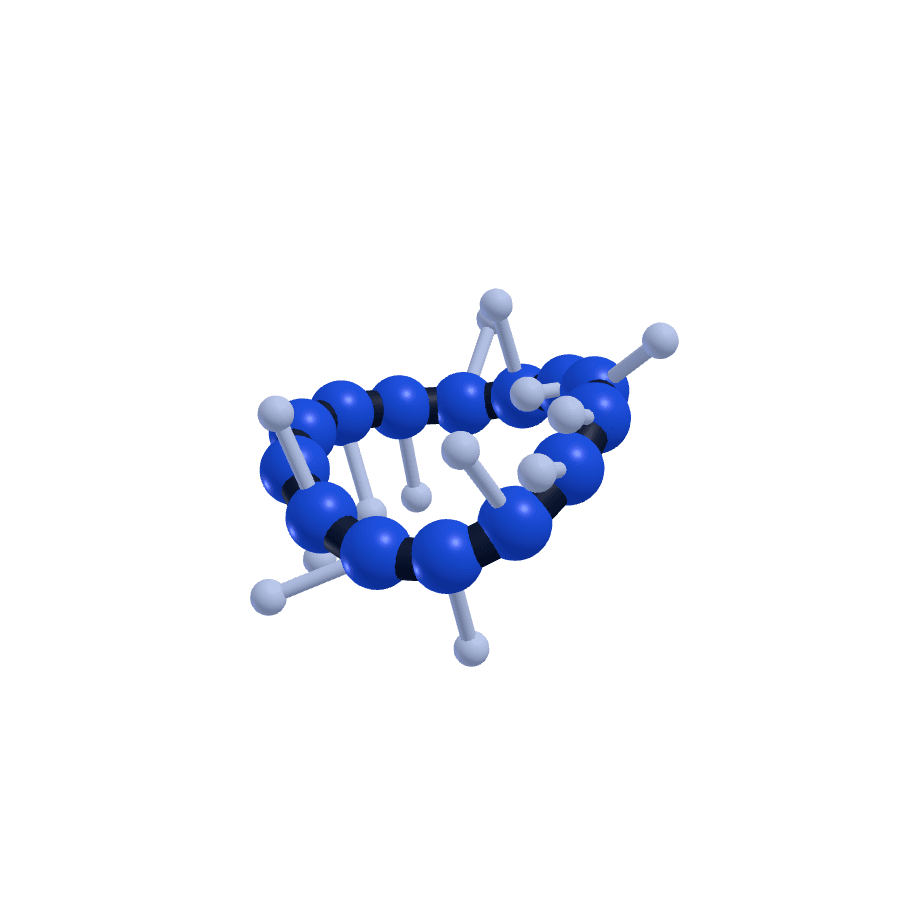
α-helix · 24 residues · 3.6 per turn
A quick one

Has anyone told you a peptide is “clinically proven”?

Pick one — the answer changes what we show you first.

What LYO does

Three things, done properly

01

Grades every claim

One row per claimed effect, per compound. A grade from A to D based only on human evidence, an effect size, and the studies behind it.

See the evidence matrix →
02

Teaches you to read one

Six short lessons with a check at the end of each. By the third you can look at any peptide claim and know what it is worth.

Start the lessons →
03

Reads the literature weekly

New trials and reviews, read in full and reduced to what changed. When a study moves a grade, the change is logged and dated.

This week's feed →

Learn

Peptide literacy in six short lessons

Most bad decisions in this space come from not being able to read a study. A few minutes each, with a check at the end of every one. Progress is saved on this device.

All six lessons →

What a peptide actually is

Question 1 of 3

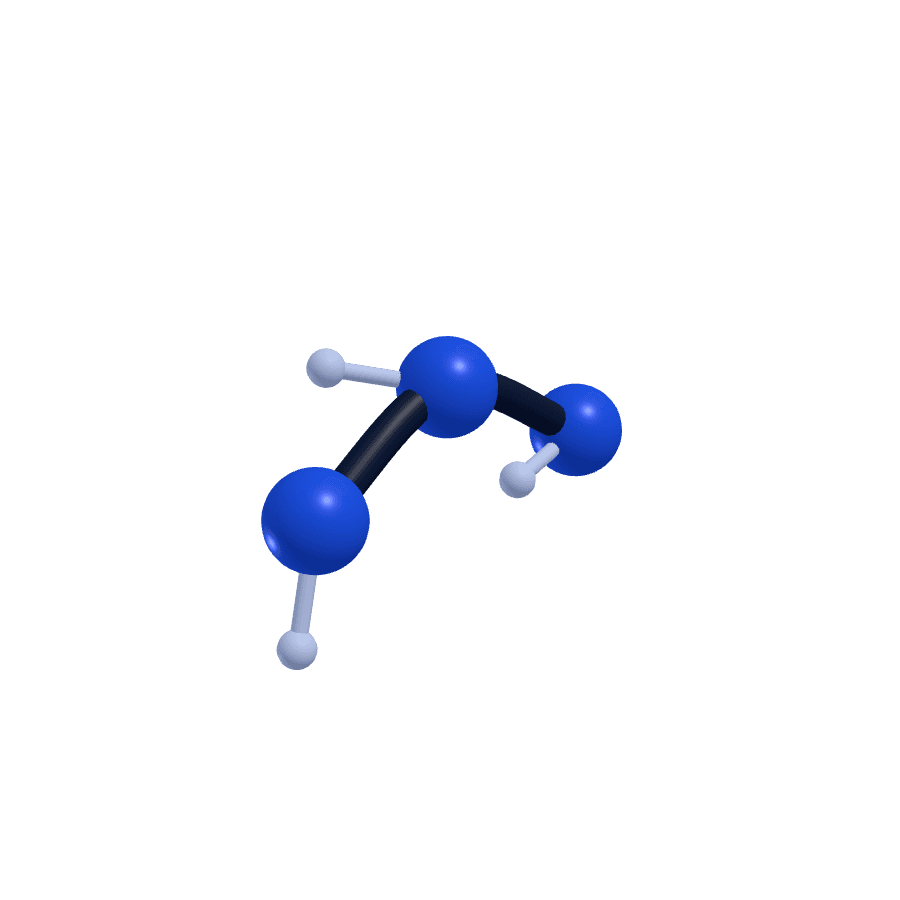
Every protein in your body is a chain of amino acids folded into a shape. A peptide is the same thing, only short — the usual cut-off is about fifty amino acids, though the line is a convention rather than a law of nature. Insulin is 51 and gets called both.

The body uses peptides as messengers. GLP-1 is released by the gut after a meal and tells the pancreas and the brain what to do about it. Oxytocin, growth-hormone-releasing hormone, the endorphins — all peptides, all made in one place to carry a signal to another.

Read the full lesson →

What separates a peptide from a protein?

Pick one to continue

Reference

Compounds

One page per compound. A direct answer in the first paragraph, an evidence matrix, the regulatory picture, and every claim traced to a study you can open.

All compounds →

BPC-157

D

Synthetic pentadecapeptide from a gastric protein. Striking animal results; no controlled human trials.

Human trials0 controlled
StatusNot approved

Semaglutide

A

GLP-1 receptor agonist. Among the most-studied molecules of the decade; approved for diabetes and obesity.

Human trials30+ RCTs
StatusApproved (Rx)

Retatrutide

B

Triple GIP / GLP-1 / glucagon agonist. Two phase 3 obesity trials, a phase 3 diabetes trial and two phase 3 sleep-apnoea trials are published; a head-to-head against semaglutide is topline; not approved anywhere.

Human trials3 phase 3 RCTs published (n=2,339; n=1,152; n=537) plus 2 nested sleep-apnoea RCTs (n=243; n=448); 3 phase 3 topline, incl. head-to-head vs semaglutide (n=1,298)
StatusInvestigational

Tirzepatide

A

Dual GIP / GLP-1 agonist. Approved; beat semaglutide in a direct head-to-head trial.

Human trials15+ RCTs
StatusApproved (Rx)

Tesamorelin

B

GHRH analogue. Approved for one narrow indication; the general-population claims are extrapolation.

Human trialsSeveral RCTs
StatusApproved (Rx, US)

Ipamorelin

C

Selective GH secretagogue. One real randomised trial in humans — and it was negative.

Human trials1 RCT (negative) + small early-phase
StatusNot approved

GHK-Cu

C

Copper-binding tripeptide. Modest human evidence for topical skin use; injected use has none.

Human trialsSmall topical trials
StatusCosmetic ingredient

Epitalon

D

Synthetic tetrapeptide from a Russian gerontology institute. The human studies mostly tested a different product.

Human trialsUncontrolled, single group
StatusNot approved

TB-500

D

Fragment of thymosin beta-4. Human trials exist only as an eye drop; the injectable use has none.

Human trials0 for injected use
StatusNot approved

Cagrilintide

B

Long-acting amylin analogue. Strong phase 3 data in combination with semaglutide; not yet approved.

Human trialsPhase 3 published
StatusInvestigational

Semax

D

Russian-developed heptapeptide, registered in Russia, unstudied elsewhere.

Human trialsRussian-language, largely uncontrolled
StatusNot approved (outside Russia)

Selank

D

Russian anxiolytic peptide, registered in Russia. Same evidence problem as Semax.

Human trialsRussian-language, small
StatusNot approved (outside Russia)

PT-141

A

An approved medicine — for one indication, in one population, with a 40% nausea rate.

Human trials2 phase 3 RCTs (n=1,267)
StatusApproved (Rx, US)

Sermorelin

C

Was an approved medicine for diagnosing growth-hormone deficiency in children. Withdrawn commercially; adult use is off-label with thin data.

Human trialsApproved paediatric use; small adult studies
StatusWithdrawn (US brand)

CJC-1295

C

Long-acting GHRH analogue. Raises growth hormone for days; development stopped and no outcome trial exists.

Human trialsEarly-phase only; programme discontinued
StatusNot approved

AOD-9604

D

A fat-loss peptide that was properly tested in humans — and failed.

Human trials900+ participants; no effect
StatusNot approved

MOTS-c

D

Mitochondrial-derived peptide with striking mouse metabolic data and no human trial.

Human trials0 controlled
StatusNot approved

Liraglutide

A

First-generation daily GLP-1 receptor agonist. Approved for diabetes and obesity; generics arriving.

Human trials20+ RCTs
StatusApproved (Saxenda, Victoza)

Survodutide

B

GLP-1/glucagon dual agonist. Phase 3 published for obesity and liver disease; not yet approved.

Human trials2 phase 3 RCTs published (n=725; n=752)
StatusInvestigational

Mazdutide

A

GLP-1/glucagon dual agonist. Approved in China for obesity and type 2 diabetes; phase 2 elsewhere.

Human trials3 phase 3 RCTs
StatusApproved in China only

Kisspeptin

C

Reproductive-axis neuropeptide. Small academic trials in fertility and low sexual desire; not approved.

Human trials10+ small studies
StatusNot approved

Thymosin α1

B

Immune-modulating thymic peptide. Approved in China and ~30 other countries; failed its largest trial.

Human trials20+ RCTs
StatusApproved outside US/EU (Zadaxin)

LL-37

C

The human cathelicidin antimicrobial peptide. Two randomised wound-healing trials; not approved.

Human trials2 RCTs (topical)
StatusNot approved

SS-31 (elamipretide)

C

Mitochondria-targeting tetrapeptide. Newly approved for one ultra-rare disease after a decade of failed trials in bigger ones.

Human trialsSeveral RCTs (mostly negative) + one approval
StatusApproved (Rx, US; Barth syndrome only)

Oxytocin (intranasal)

C

A real hormone with a real injectable licence — and a nasal-spray reputation its trials do not support.

Human trialsMany RCTs (intranasal mostly null; 1 positive perioperative RCT, n=328)
StatusApproved (Rx) as injection; intranasal use unlicensed

Melanotan II

C

A tanning-and-erection peptide with real small-trial signals and real, documented harms.

Human trialsSmall early-phase trials
StatusNot approved

Hexarelin

C

A potent GH-releasing peptide whose effect fades with continued use — and that was never developed further.

Human trialsEarly-phase human studies
StatusNot approved

GHRP-2

C

A GH-releasing peptide approved in Japan as a diagnostic — not as the muscle drug it is sold as.

Human trialsDiagnostic-grade + small studies
StatusApproved (diagnostic, Japan)

GHRP-6

C

The original GH-releasing peptide — a good diagnostic tool, an unproven physique drug.

Human trialsDiagnostic studies + small work
StatusNot approved

NAD+ and precursors

C

Not a peptide, but sold in the same market — supplements that raise a coenzyme, with clinical benefit still unproven, and a negative phase 3 trial in Parkinson's disease.

Human trialsSeveral RCTs of precursors; 1 phase 3 RCT in Parkinson's disease (n=410)
StatusSold as supplement (NR/NMN); IV NAD+ unlicensed

KPV

D

An anti-inflammatory tripeptide with real mouse data and no human trial at all.

Human trials0 controlled
StatusNot approved

Humanin

D

A mitochondria-encoded peptide with striking lab biology and only observational human data.

Human trials0 controlled
StatusNot approved

Dihexa

D

A potent synaptogenic molecule in rodents, and nothing at all in humans.

Human trials0 controlled
StatusNot approved

5-Amino-1MQ

D

A metabolic enzyme inhibitor with mouse fat-loss data and no human trial.

Human trials0 controlled
StatusNot approved

Orforglipron

A

The first oral small-molecule GLP-1 agonist, approved in the US for weight management in April 2026, licensed in the UK in August 2026 and recommended for EU authorisation in October 2026. A pill, not an injection — and not a peptide.

Human trialsPhase 3 programme published
StatusApproved (Rx) — United States, United Kingdom; EU opinion positive

Amycretin

C

A GLP-1 and amylin agonist in one molecule, now named zenagamtide. The largest early-phase weight loss yet reported — in 125 people; two phase 2 diabetes trials published since.

Human trials1 phase 1b/2a RCT (n=125); 2 phase 2 RCTs in type 2 diabetes
StatusInvestigational (early phase)

Human growth hormone (somatropin)

A

An approved medicine for growth-hormone deficiency, and the original anti-ageing drug the evidence does not support.

Human trialsMany RCTs + meta-analysis
StatusApproved (Rx) for deficiency; anti-ageing use unlawful in the US

HCG (human chorionic gonadotropin)

A

A real fertility medicine, and the subject of one of the most thoroughly refuted weight-loss claims in medicine.

Human trialsApproval-grade + meta-analysis
StatusApproved (Rx) for fertility and hypogonadism; not for weight loss

Glutathione

C

The body's main antioxidant, sold by injection for skin lightening on inconclusive evidence.

Human trialsSmall RCTs; systematic reviews inconclusive
StatusSupplement; injectable use unapproved

IGF-1 LR3

D

A laboratory reagent sold as a muscle drug. No human trial has ever tested it.

Human trials0 controlled
StatusNot approved; research reagent

DSIP (delta sleep-inducing peptide)

C

A sleep peptide that was actually tested in insomnia in the 1980s — and mostly did not work.

Human trialsSeveral small trials, 1981–1998
StatusNot approved

MK-677 (ibutamoren)

B

An oral, non-peptide growth-hormone secretagogue — the one with a year-long randomised trial, which found more lean mass and no less fat.

Human trials2 large RCTs (n=65 over 2 yr; n=563 over 1 yr) + small studies
StatusNot approved

Dulaglutide

A

Once-weekly GLP-1 medicine approved since 2014. A cardiovascular-outcomes trial in nearly 10,000 people; weight loss well below the newer drugs.

Human trialsREWIND (n=9,901) + AWARD programme
StatusApproved (Rx)

Exenatide

A

The first GLP-1 medicine, from lizard venom, approved in 2005. Neutral in its cardiovascular trial; negative as a Parkinson's treatment.

Human trialsEXSCEL (n=14,752) + DURATION programme + Parkinson's phase 3
StatusApproved (Rx)

Gonadorelin (GnRH)

B

The natural hormone at the top of the reproductive axis. A licensed diagnostic and fertility treatment — and a TRT-clinic add-on with no trial for that use.

Human trialsDecades of pulsatile-therapy studies; meta-analysis of 420 men; no trial of the TRT use
StatusLicensed (diagnostic / pulsatile); TRT use unstudied

Afamelanotide (Melanotan I)

A

The original tanning peptide — which became an approved medicine for a rare light-sensitivity disease, as a 60-day implant.

Human trials2 phase 3 RCTs (n=168) + long-term registry data
StatusApproved (Rx) — erythropoietic protoporphyria

Setmelanotide

B

An approved obesity peptide — for a few thousand people worldwide with specific genetic defects, on trials of ten and eleven patients.

Human trialsSingle-arm phase 3 trials (n=10, n=11) with placebo-withdrawal; BBS trial (n=38); acquired hypothalamic obesity phase 3 RCT (n=120)
StatusApproved (Rx) — rare genetic obesity; acquired hypothalamic obesity (US, EU, UK, Canada)

Follistatin 344

D

A myostatin-blocking protein sold as a muscle-building injection. The only human data is a six-patient gene-therapy trial — of a different thing.

Human trials0 for the injected protein; 1 gene-therapy trial (n=6)
StatusNot approved; research reagent

Noopept (omberacetam)

D

A Russian dipeptide-derived nootropic, registered there since 2007, with one published trial — whose abstract is not even indexed.

Human trials1 Russian comparative trial vs piracetam (2008); no independent replication
StatusNot approved (outside Russia)

Cerebrolysin

C

A pig-brain peptide mixture given by infusion for stroke and dementia in some fifty countries. Cochrane: no effect on death after stroke, more serious adverse events.

Human trials7 RCTs in stroke (n=1,773); 6 RCTs in vascular dementia (n=597); many small trials
StatusApproved in Austria, Russia, China and others; not US/UK/EU-wide

Teriparatide

A

The first medicine that builds bone rather than slowing its loss. Approved since 2002 on a trial that cut spinal fractures by two-thirds.

Human trialsFracture Prevention Trial (n=1,637) + head-to-head VERO trial
StatusApproved (Rx)

Leuprolide (leuprorelin)

A

A GnRH analogue that switches the sex-hormone axis off. Forty years as a standard prostate-cancer treatment, and the drug behind most puberty suppression and IVF protocols.

Human trialsRandomised trials since 1984; decades of use
StatusApproved (Rx)

Pramlintide

A

The first amylin drug, approved in the US in 2005 for diabetes. Modest weight loss in trials — and the ancestor of cagrilintide.

Human trialsApproval programme + 12-month obesity RCT (n=411)
StatusApproved (Rx, US only)

Octreotide

A

A synthetic version of the hormone that switches growth hormone off. Approved since 1988 for acromegaly and hormone-secreting tumours — and it slows those tumours' growth.

Human trialsPROMID RCT (n=85) + approval programmes + decades of use
StatusApproved (Rx)

PEG-MGF

D

A pegylated fragment of a muscle-made IGF-1 variant, sold for repair and growth. Never injected into a human in any study.

Human trials0 — every human study measures the body's own MGF
StatusNot approved; research reagent

Adipotide

D

A peptide designed to kill the blood vessels that feed fat. Dramatic in obese monkeys, kidney-toxic in the same monkeys, and never reported in a human.

Human trials0 published; a phase 1 in prostate cancer was registered and never reported
StatusNot approved; investigational (stalled)

AHK-Cu

D

GHK-Cu's less-studied cousin, sold for hair growth. One laboratory study on plucked follicles; no human trial.

Human trials0 — one ex vivo follicle study
StatusCosmetic ingredient; no clinical evidence

VIP (vasoactive intestinal peptide)

B

A 28-amino-acid gut and nerve hormone. Licensed in a few countries for erectile dysfunction; a 461-person COVID trial found nothing; sold as a nasal spray for 'mould illness' with no trial at all.

Human trialsTESICO RCT (n=461) + earlier sponsor RCT; small trials in ED and pulmonary hypertension
StatusLicensed narrowly (ED, some countries); other uses unapproved

ARA-290 (cibinetide)

C

An 11-amino-acid fragment of erythropoietin that repairs without raising red cells. A real phase 2 in a rare neuropathy; sold online for everything else.

Human trialsPhase 2 RCTs in sarcoidosis neuropathy (n=64) and diabetes; no phase 3
StatusNot approved; investigational

CagriSema

B

Cagrilintide and semaglutide in one pen. Two published phase 3 trials: 20.4% weight loss at 68 weeks — less than the company had hoped, more than either drug alone.

Human trials2 phase 3 RCTs published (n=3,417; n=1,206); 2 further phase 3 topline (Sep 2026)
StatusInvestigational (filed)

Eloralintide

C

Lilly's selective amylin agonist. A published 48-week phase 2 found up to 20% weight loss with fatigue, not nausea, as the signature side effect.

Human trials1 phase 2 RCT published (n=263); 1 phase 2b topline with tirzepatide (n=367); phase 3 running
StatusInvestigational (phase 3)

Maridebart cafraglutide

B

Amgen's once-monthly antibody with two GLP-1 peptides attached. Up to 16% weight loss at 52 weeks in a published phase 2, with a GIP-blocking twist.

Human trials1 phase 2 RCT (n=592); phase 3 running
StatusInvestigational (phase 3)

Ecnoglutide

B

A Chinese once-weekly GLP-1 analogue with a published phase 3: 13.2% weight loss at 40 weeks. Approved nowhere outside China's review process.

Human trials3 phase 3 RCTs published (obesity n=664; two in diabetes)
StatusInvestigational (phase 3 published)

Abaloparatide

A

The second bone-building peptide. An 18-month trial of 2,463 women cut new spinal fractures by more than 80%, with less high calcium than teriparatide.

Human trialsACTIVE RCT (n=2,463) + extension
StatusApproved (Rx)

Calcitonin (salmon)

A

A 32-amino-acid hormone that was an osteoporosis medicine for thirty years — until a cancer signal and a marginal fracture trial ended most of that use.

Human trialsPROOF RCT (n=1,255, 5 yr) + regulatory meta-analyses
StatusApproved (Rx, restricted)

Desmopressin

A

A nine-residue vasopressin analogue in use since the 1970s. Cuts night-time urination modestly; causes dangerous low sodium in about one older adult in thirteen. Banned in sport as a masking agent.

Human trialsCochrane review (14 RCTs, n=2,966) + decades of use
StatusApproved (Rx)

Thymalin

C

A calf-thymus peptide extract registered in Russia since the 1980s. Its longevity claim rests on one St Petersburg series without randomisation or blinding.

Human trials1 uncontrolled long-term series (n=266); Russian reports
StatusNot approved (Russia only)

Pinealon

D

A three-amino-acid 'brain bioregulator' from the epitalon school. Cell and rat studies; the human reports are Russian, uncontrolled and unindexed.

Human trials0 controlled
StatusNot approved

FOXO4-DRI

D

The senolytic peptide. One landmark mouse paper in Cell, no human study of any kind, and a grey market that sells it as an anti-ageing injection.

Human trials0
StatusNot approved (preclinical)

Petrelintide

C

Zealand and Roche's weekly amylin analogue. A published phase 2: 8–10% weight loss at 28 weeks in 493 adults, with nausea in one in five. A second phase 2, in type 2 diabetes, reported 7–9% in October 2026. Phase 3 started in September 2026.

Human trials1 phase 2 RCT (n=493) and 2 phase 1 RCTs published; 1 phase 2 RCT in type 2 diabetes (n=220) reported as topline; phase 3 running
StatusInvestigational (phase 3)

Lixisenatide

A

A once-daily GLP-1 medicine with a neutral heart trial and one unexpected result: slower motor decline in early Parkinson's disease, in a 156-person phase 2.

Human trialsGetGoal programme; ELIXA (n=6,068); LIXIPARK (n=156)
StatusApproved (Rx)

Insulin

A

The original peptide medicine, in use since 1922. Included as the reference point: what a century of evidence looks like, and what the sharpest peptide side effect looks like.

Human trialsDCCT (n=1,441), UKPDS (n=3,867) and a century of use
StatusApproved (Rx)

Collagen peptides

C

The best-selling peptide supplement. Pooled trials show better skin hydration and elasticity — until the trials are sorted by who paid for them, when the effect disappears.

Human trials20+ small RCTs; meta-analyses disagree by funding and quality
StatusFood supplement

Carnosine

C

A muscle dipeptide sold as a supplement for ageing and blood sugar. Eight small trials pooled show lower fasting glucose and HbA1c in prediabetes and diabetes.

Human trials8 small RCTs (n=377) in a meta-analysis
StatusFood supplement

Vilon

D

A two-amino-acid 'thymic bioregulator' from the epitalon school. Mouse lifespan and tumour studies; no human trial.

Human trials0
StatusNot approved

Cortexin

C

A Russian brain-extract injection for stroke and cognitive decline, like cerebrolysin. One double-blind trial of 272 patients exists — with no numbers in its abstract.

Human trials1 double-blind RCT (n=272, Russian); open trials
StatusNot approved (Russia only)

Argireline

C

A six-residue cosmetic peptide sold as a topical alternative to botulinum toxin. One small randomised trial supports it — published three times by the same group.

Human trials1 small RCT (n=60, 4 weeks)
StatusCosmetic ingredient

Matrixyl

C

A palmitoylated five-residue peptide from collagen, and the best-evidenced cosmetic peptide here: one 93-person split-face trial run by its user.

Human trials1 split-face RCT (n=93, 12 weeks)
StatusCosmetic ingredient

Triptorelin

A

A licensed GnRH agonist used in prostate cancer and precocious puberty — and, on bodybuilding forums, a single injection claimed to restart the testosterone axis on the strength of one case report.

Human trialsApproval programme; the grey-market use rests on 1 case report
StatusApproved (Rx)

Larazotide

C

An eight-residue tight-junction regulator for coeliac disease: a phase 2b that met its endpoint at the lowest dose only, and a phase 3 stopped for futility.

Human trialsPhase 2b (n=342) positive at one dose; phase 3 (CeDLara) discontinued at interim analysis
StatusInvestigational (phase 3 discontinued)

Pemvidutide

B

A weekly GLP-1/glucagon dual agonist for liver disease. Its phase 2b hit the MASH-resolution endpoint decisively and missed the fibrosis one.

Human trials1 phase 2b RCT published (IMPACT, n=212)
StatusInvestigational (phase 2b)

Teduglutide

A

A GLP-2 analogue and the only approved drug that reduces the need for intravenous feeding in short bowel syndrome.

Human trialsSTEPS phase 3 (n=86) and its extensions
StatusApproved (Rx)

Glucagon

A

The 29-residue hormone that raises blood sugar, and the emergency treatment for severe hypoglycaemia. Now also a nasal powder.

Human trialsDecades of use; randomised crossover trials of newer formulations
StatusApproved (Rx)

Linaclotide

A

A 14-residue peptide taken by mouth that is not absorbed: it works entirely on the inside surface of the gut.

Human trialsPhase 3 programme (n=804 in the trial quoted here)
StatusApproved (Rx)

Vasopressin

A

The nine-residue hormone behind both blood pressure and urine concentration. Its largest trial in septic shock found no survival benefit.

Human trialsVASST (n=778) and the ICU literature
StatusApproved (Rx)

Ziconotide

B

A 25-residue cone-snail venom peptide delivered into spinal fluid for severe chronic pain — with a psychiatric boxed warning and a trial that was published twice.

Human trials3 phase 3 RCTs; the one quoted here randomised 111 patients
StatusApproved (Rx)

Evidence matrix

What the human research shows, outcome by outcome

The table every compound page is built around. One row per claimed effect; a grade, a size, and how many human studies stand behind it.

BPC-157 in one line: The most-discussed healing peptide on the internet has never been tested in a controlled human trial. Every outcome below is graded on animal data, which is why every grade is a D — not because the results are bad, but because they are not yet about people.

OutcomeGradeEffect sizeHuman studiesWhere the evidence comes from
Tendon & ligament healingDNo human evidenceNot measurable0 controlledRodent models of Achilles and MCL injury. Consistent in animals; no human trial has been run.12
Gut mucosal healingDNo human evidenceNot measurable0 controlledRat ulcer and colitis models. The original research programme; still preclinical.1
Pain reductionDNo human evidenceNot measurable1 case series (n=12)A retrospective case report of 12 knee-pain patients given intra-articular injections; no control group. The only human study a 2025 systematic review could find. A second systematic review, searched to 1 June 2026 and published in October 2026, found three uncontrolled human studies in total (30 people: the knee-pain series, which it counts as 16, a 12-person pilot of intravesical BPC-157 for interstitial cystitis, and the two-person intravenous pilot), rated all three poor quality and the certainty of evidence very low.36
Safety in humansadverseDNo human evidenceNot measurable1 open-label pilot (n=2)Two healthy adults given intravenous doses in an uncontrolled 2025 pilot showed no biomarker changes. That is the entire human safety literature. The October 2026 systematic review reports no treatment-related adverse events across its 30 participants and concludes that BPC-157 should not be used clinically outside regulated, high-quality trials.3456
AMultiple good human trials, consistentBSome human trials, mostly consistentCFew or weak human studiesDAnimal or anecdotal onlyeffect size · red = adverse
Try it

Grade A — established in humans

Several well-run randomised trials in people, pointing the same way. You can plan around this. It still says nothing about whether the effect is worth the side effects for you.

e.g. semaglutide → body weight

Research feed

This week in the literature

New studies and reviews, reduced to what changed and whether a grade moved.

30 Oct 2026 · HHS / Federal Register

US: HHS will not act against pharmacies compounding six peptides — BPC-157, TB-500, KPV, MOTS-c, semax, epitalon

The policy that went to the White House on 14 October is now public. An "Enforcement Discretion Policy Regarding 503A Compounding Using Certain Peptide Bulk Drug Substances", signed by the Secretary of Health and Human Services and announced in the Federal Register (91 FR 68526), says HHS "does not intend to take enforcement action" against a state-licensed pharmacy, federal facility or licensed physician that compounds any of the six under ten conditions: an FDA-registered source with a full certificate of analysis, one active ingredient, a patient-specific prescription, MedWatch reporting, a fixed label and route limits per peptide. It is interim, not binding, revocable on a safety signal, and not approval; the FDA's 503A list itself is unchanged and its own reviewers recommended against listing each of them. Comments for two weeks. The US regulation page and all six compound pages are rewritten from the document.

United StatesHHSCompounding
Regulation
30 Oct 2026 · Lancet Diabetes & Endocrinology

Orforglipron in Japan: a second published phase 3 trial, smaller effect than ATTAIN-1

ATTAIN-J randomised 238 Japanese adults with obesity disease to the oral GLP-1 tablet or placebo for 72 weeks. Body weight fell 5.9%, 8.7% and 7.9% on 6, 12 and 36 mg against 0.6% on placebo, counting everyone randomised; 45.6–60.8% lost at least 5% against 15.2%. That is less than the 11.2% ATTAIN-1 found on the same top dose in 3,127 adults, with entry starting at a BMI of 27. Added to the body weight row; grade A stands.

OrforglipronPhase 3Japan
Trial result
29 Oct 2026 · LYO Research

Ten compounds added, and every peptide page now carries its amino-acid sequence

The reference passes 86 compounds. The ten new pages are the two cosmetic peptides people actually buy (argireline, matrixyl), three grey-market or late-stage investigational compounds (triptorelin, larazotide, pemvidutide) and five approved medicines that show what settled evidence looks like outside obesity: teduglutide, glucagon, linaclotide, vasopressin and ziconotide. Two new families go with them — gut and intestinal peptides, and cosmetic peptides — and the endocrine family is renamed Established peptide medicines. Three of the new pages are instructive for the wrong reasons: larazotide's phase 3 was stopped for futility, vasopressin's 778-patient trial found no survival benefit, and the argireline trial was published three times by the same group. Separately, 54 compound pages now show the amino-acid sequence, derived from each PubChem record's own structure and checked against the residue count and the product label where one exists.

New compoundsSequencesDataset
Site update
28 Oct 2026 · Eli Lilly (topline)

Retatrutide beats semaglutide 2 mg head-to-head in type 2 diabetes — as a press release

TRANSCEND-T2D-2, the first trial to compare retatrutide with another incretin drug, randomised 1,298 adults with type 2 diabetes on metformin to retatrutide 9 mg, 12 mg or semaglutide 2 mg (Ozempic's highest dose) for 80 weeks, open label. HbA1c fell 2.2 points on either retatrutide dose against 1.8 on semaglutide; weight fell 19.5% and 20.9% against 9.4%, from 102.4 kg. More people stopped retatrutide for side effects (4.8% and 7.9% against 2.7%) and dysesthesia was about twice as common (4.8% and 6.5% against 2.7%). Efficacy-estimand figures from Lilly, not yet peer-reviewed, so no grade moves; the page's HbA1c, weight, side-effect and dysesthesia rows now carry the numbers.

RetatrutidePhase 3Head-to-head
Trial result
26 Oct 2026 · JAMA Internal Medicine

Intranasal oxytocin before fracture surgery halves early acute-stress reactions in one trial

In 328 adults having surgery for a traumatic fracture at one hospital in China, a single intranasal dose of oxytocin or saline was given just before anaesthesia. Within three days, 15.9% on oxytocin and 30.5% on saline screened positive for probable acute stress disorder — a risk ratio of 0.52 (95% CI 0.34–0.79) — with no serious adverse events. One centre, one trial, and a questionnaire rather than a diagnosis, so it enters the oxytocin page as a new row at B. It says nothing about the daily nasal self-dosing the spray is sold for, where the large trials remain null.

OxytocinRCTPerioperative
Trial result
21 Oct 2026 · New England Journal of Medicine

Retatrutide for sleep apnoea: two phase 3 trials published, the row moves to A

TRIUMPH-1-OSA (243 adults with obesity and no diabetes) and TRIUMPH-2-OSA (448 with type 2 diabetes), nested inside the main retatrutide trials, are now in the New England Journal of Medicine. At 80 weeks the apnoea–hypopnoea index fell by 34.3 events per hour on 9 mg and 31.7 on 12 mg against 9.9 on placebo in people without diabetes, and by 24.7 and 25.4 against 10.3 in people with it, from baselines of 58.6 and 55.9. Body weight fell 12.5–22.2% and 12.1–18.5%. Until now the row rested on one subgroup of one trial; two published trials move it to A, the same footing as tirzepatide. The overall grade stays B: retatrutide is not approved anywhere.

RetatrutidePhase 3Sleep apnoea
Trial result

Glossary

The vocabulary, defined once

All 39 terms →

How this works

Every grade on this site can be checked.

LYO answers one question: what does the human evidence actually say? The method is published, the studies behind each grade are listed by name, and the data is open — so you never have to take our word for any of it.

  • ✓
    Human evidence only. Animal and cell studies inform the mechanism sections and never move a grade.
  • ✓
    Every claim traced. Each outcome row links to the trials behind it, with the number of participants and the result.
  • ✓
    Changes are logged. When a study moves a grade, the page says which study, which direction and on what date.
  • ✓
    Open data. The full dataset is published under CC BY 4.0 for anyone to audit, reuse or argue with.