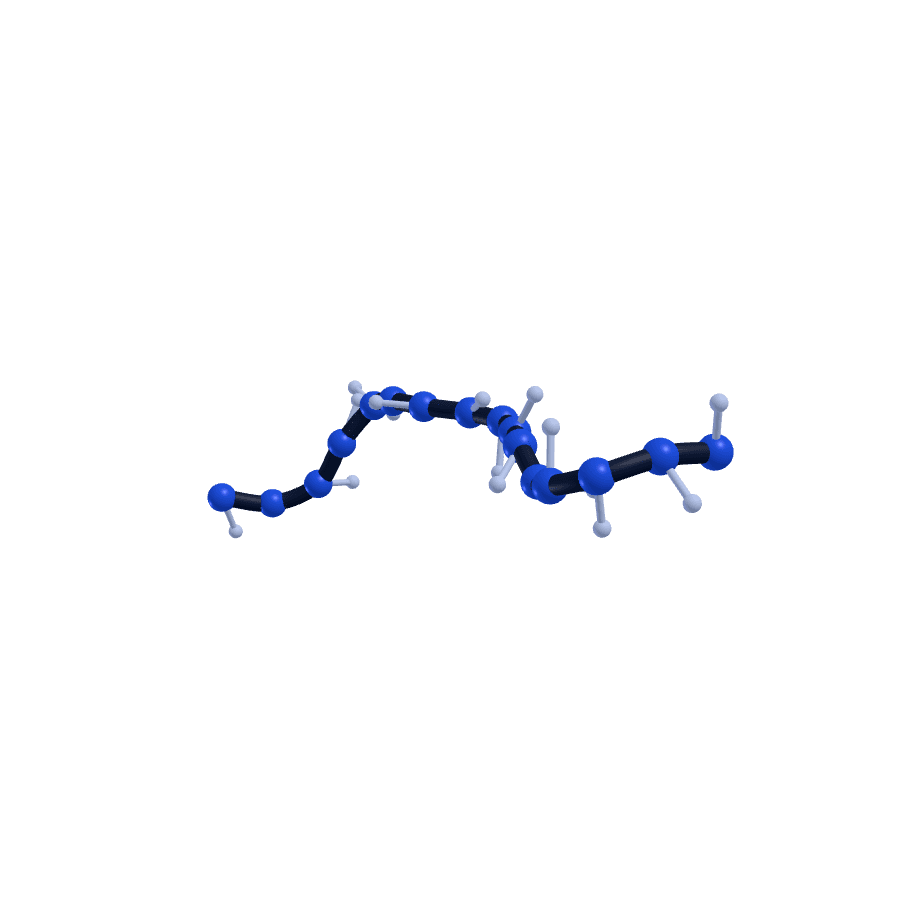
What the human research shows
Genuinely interesting biology at the frontier of a new class — mitochondria turn out to encode signalling peptides — and zero human intervention evidence. The observational human work measures MOTS-c that people already have; it says nothing about injecting more.
| Outcome | Grade | Effect size | Human studies | Where the evidence comes from |
|---|---|---|---|---|
| Insulin sensitivity / metabolic health | DNo human evidence | Not measurable | 0 controlled | Mouse models of diet-induced obesity and insulin resistance. Human data is observational — levels correlate with fitness and fall with age — which cannot show what supplementation would do. |
| Exercise capacity | DNo human evidence | Not measurable | 0 controlled | Rodent exercise models; human correlation studies only. |
| Longevity | DNo human evidence | Not measurable | None | Association studies of a mitochondrial variant in a Japanese cohort; not an intervention. |
| Safety in humansadverse | DNo human evidence | Not measurable | None | No human dosing study of any kind. |
Literature searched to 2 September 2026. Human studies only; animal and cell work informs the mechanism section and nothing else.
What it is
For most of modern biology, mitochondrial DNA was thought to encode only a handful of proteins for energy production. MOTS-c, identified in 2015, is one of a small group of peptides encoded there that act as signals to the rest of the cell — and to other tissues. That is a genuinely novel finding, and it is why the compound gets attention.
The distance between that finding and "inject this" is the entire clinical development process, none of which has been done.
How it is thought to work
It appears to activate AMPK, a cellular energy sensor, and to shift metabolism toward glucose use — in mouse muscle. Human blood levels are lower in older and less fit people, which is an association, not a mechanism established in people.
What is still unknown
- Whether administering it does anything in a human being.
- Dose, route, half-life and safety in humans — none established.
- Whether the age-related decline is a cause of anything or a consequence.
Regulatory status
No authorisation; sale for human use is an offence for the seller.
Sold as a research chemical.
Scheduled by the TGA; not available without a prescription.
Questions people actually ask
Does MOTS-c improve metabolism in humans?
Why do people say it is linked to longevity?
References
- 1Lee C, et al. The mitochondrial-derived peptide MOTS-c promotes metabolic homeostasis and reduces obesity and insulin resistance.Cell Metab, 2015;21:443–454The discovery paper; mouse models.
Change log
- 2026-09-02Initial publication. All outcomes graded D on absence of human intervention trials.