What the human research shows
The anxiolytic claim is specific and testable, and the trials that would test it properly have not been run outside Russia. Everything here is graded on that absence, not on a negative result.
| Outcome | Grade | Effect size | Human studies | Where the evidence comes from |
|---|---|---|---|---|
| Anxiety | DNo human evidence | Not measurable | Small Russian studies | Reports of anxiety reduction in generalised anxiety disorder, some comparing against benzodiazepines. Small, from the originating institutes, not independently replicated.1 |
| Cognitive effects | DNo human evidence | Not measurable | None controlled internationally | Secondary claims from the same small studies. |
| Safety in humansadverse | DNo human evidence | Not measurable | No systematic international data | Reported as well tolerated in Russian use; no modern pharmacovigilance dataset. |
Literature searched to 2 September 2026. Human studies only; animal and cell work informs the mechanism section and nothing else.
What it is
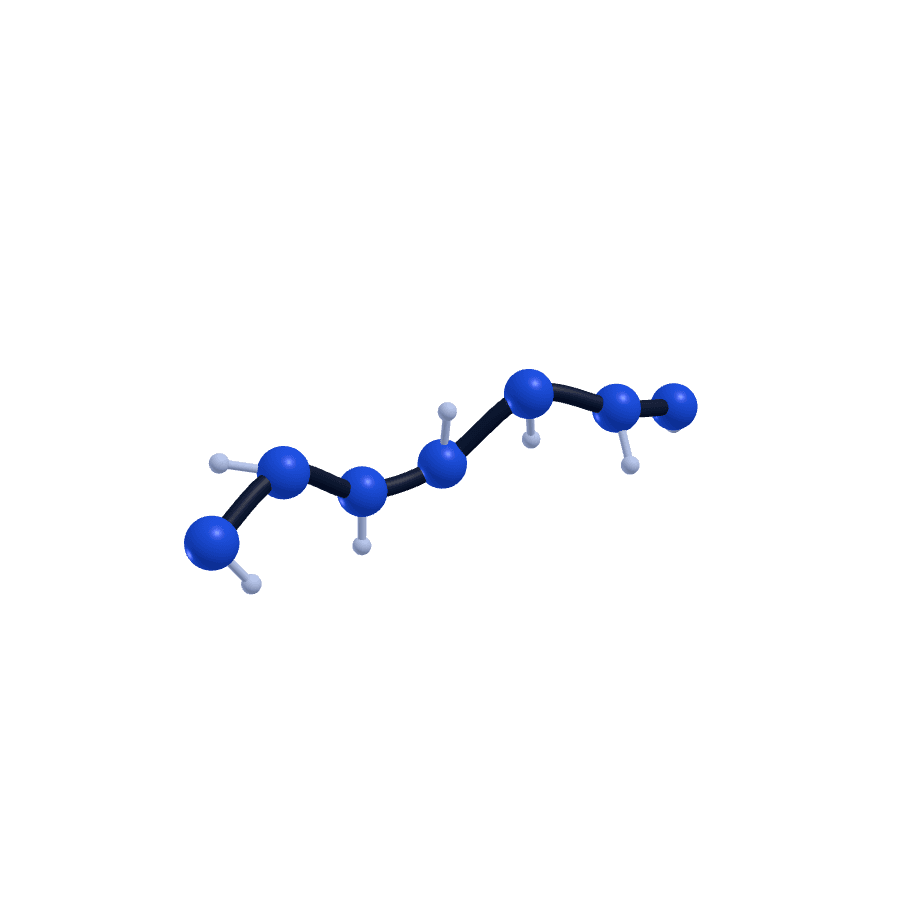
Selank is a modified fragment of tuftsin, a peptide from an immune protein, with a stabilising tail. Like Semax it comes from the Institute of Molecular Genetics in Moscow, is given as a nasal spray, and is registered in Russia — in this case as an anxiolytic.
How it is thought to work
Proposed effects on GABA signalling, serotonin turnover and BDNF, plus immune modulation via the tuftsin lineage. As with Semax, the mechanistic literature comes largely from the originating groups.
What is still unknown
- Whether the anxiolytic effect exists at the standard a regulator would require.
- Dose, duration and long-term safety by international standards.
Regulatory status
Approved nationally as an anxiolytic.
No marketing authorisation.
Sold as a research chemical.
No Health Canada authorisation.
Questions people actually ask
Is Selank as effective as benzodiazepines?
Is Selank addictive?
References
- 1Searches of PubMed and trial registries for Selank human trials outside Russia.LYO literature search, September 2026No independently replicated randomised trials identified.
Change log
- 2026-09-02Initial publication. Graded D on absence of internationally reported controlled evidence.